Key messages
Equipment in the healthcare and social assistance industry is used for a range of purposes, including to manage WHS risks.
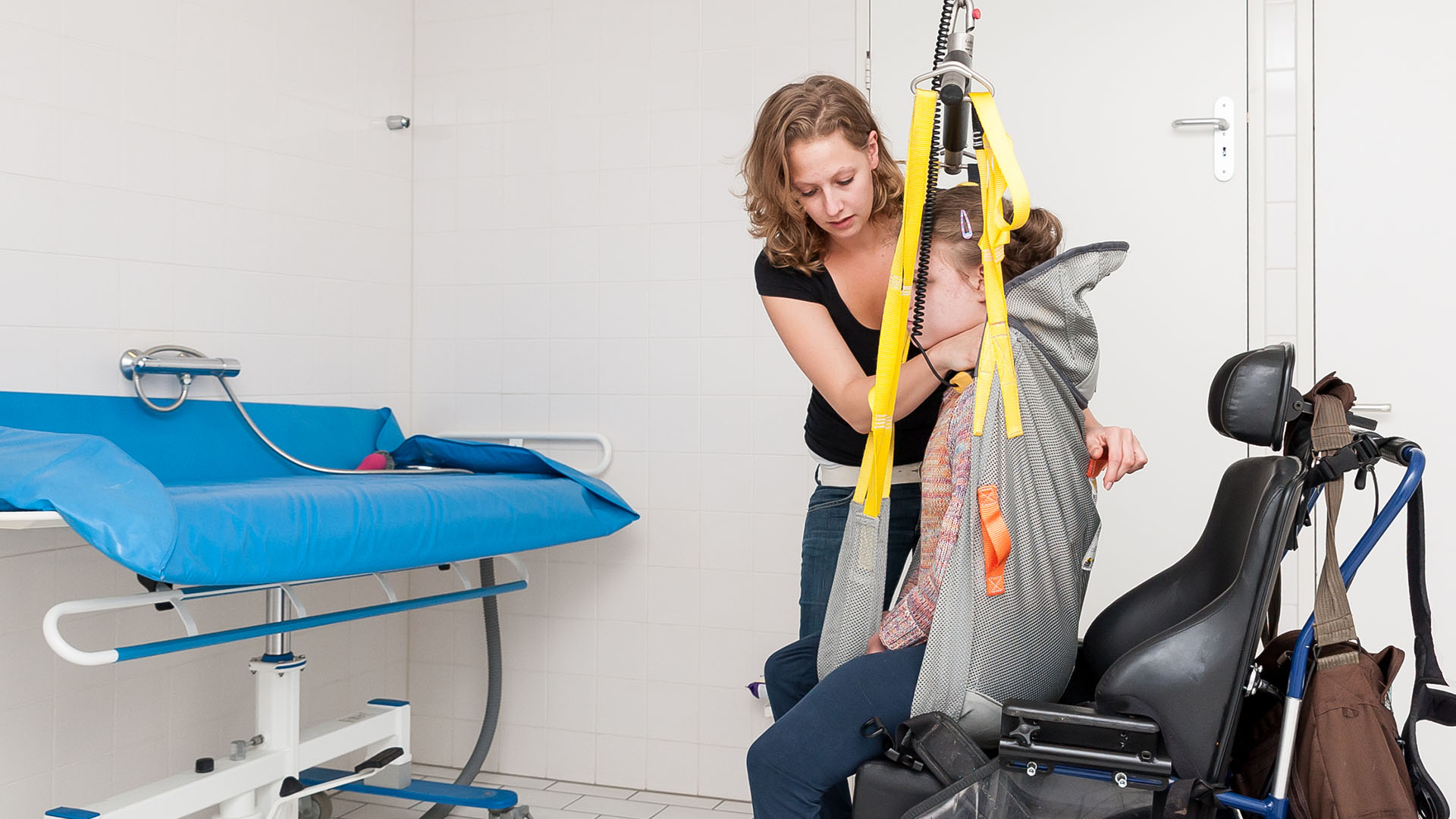
For example, hoists can reduce the risks associated with people handling and face masks can reduce the risk of infectious diseases. However, equipment can also introduce risks that need to be managed in the workplace. Thinking about what equipment to use, and ensuring it is well-maintained, and reduces the risk of injuries or illnesses.
Jump to:
How you should identify and assess hazards and risks How you should control risks Case study: Mobile workstations
Note: WHS laws use the technical term ‘plant’, a term used to cover any machinery, equipment, appliance, software, container, attachment, tool, substance and structure, or any component or thing fitted or connected to any of those things.
This Code uses the term ‘equipment’ instead but covers the same things and the same legal requirements that relate to plant.
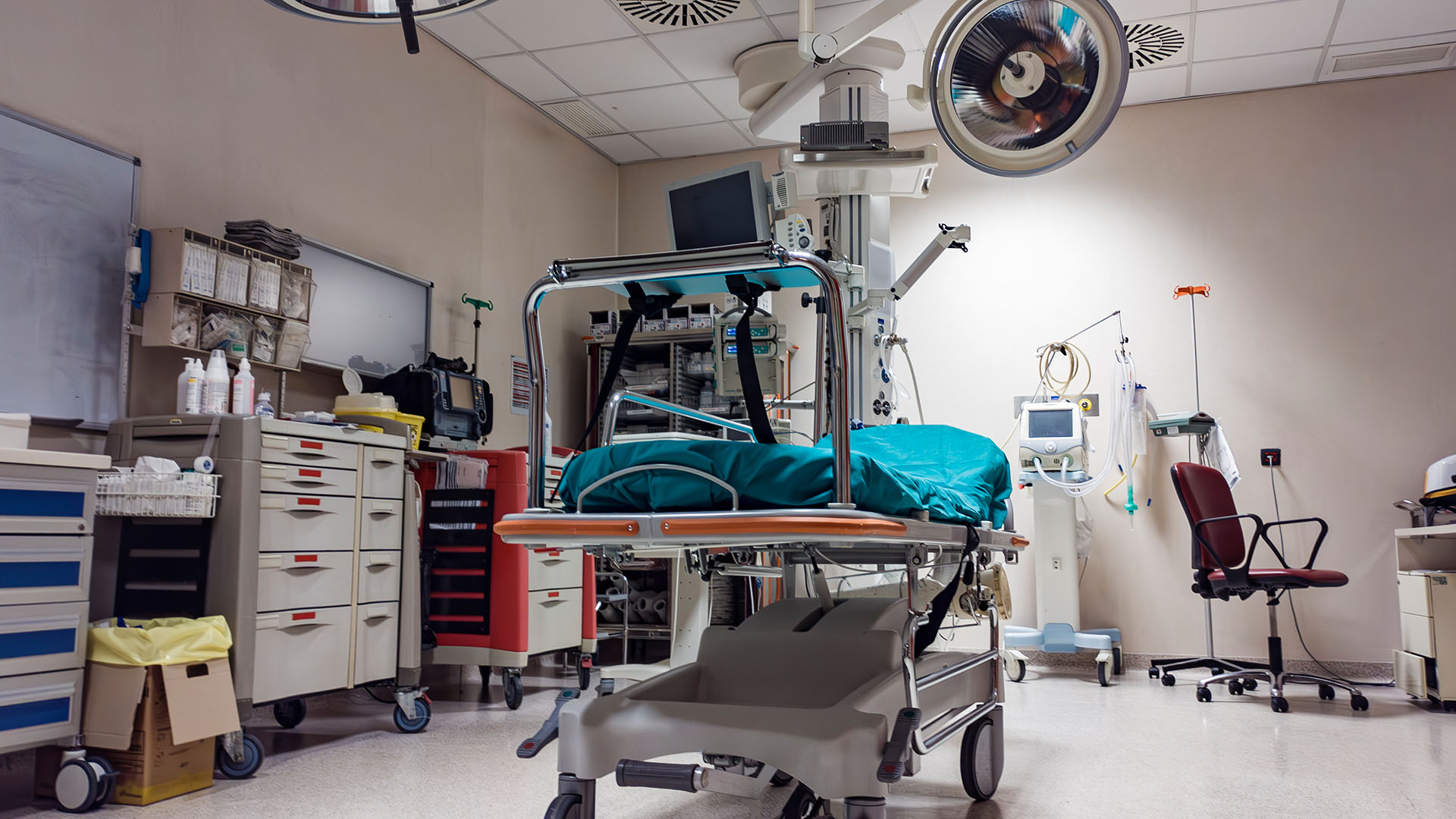
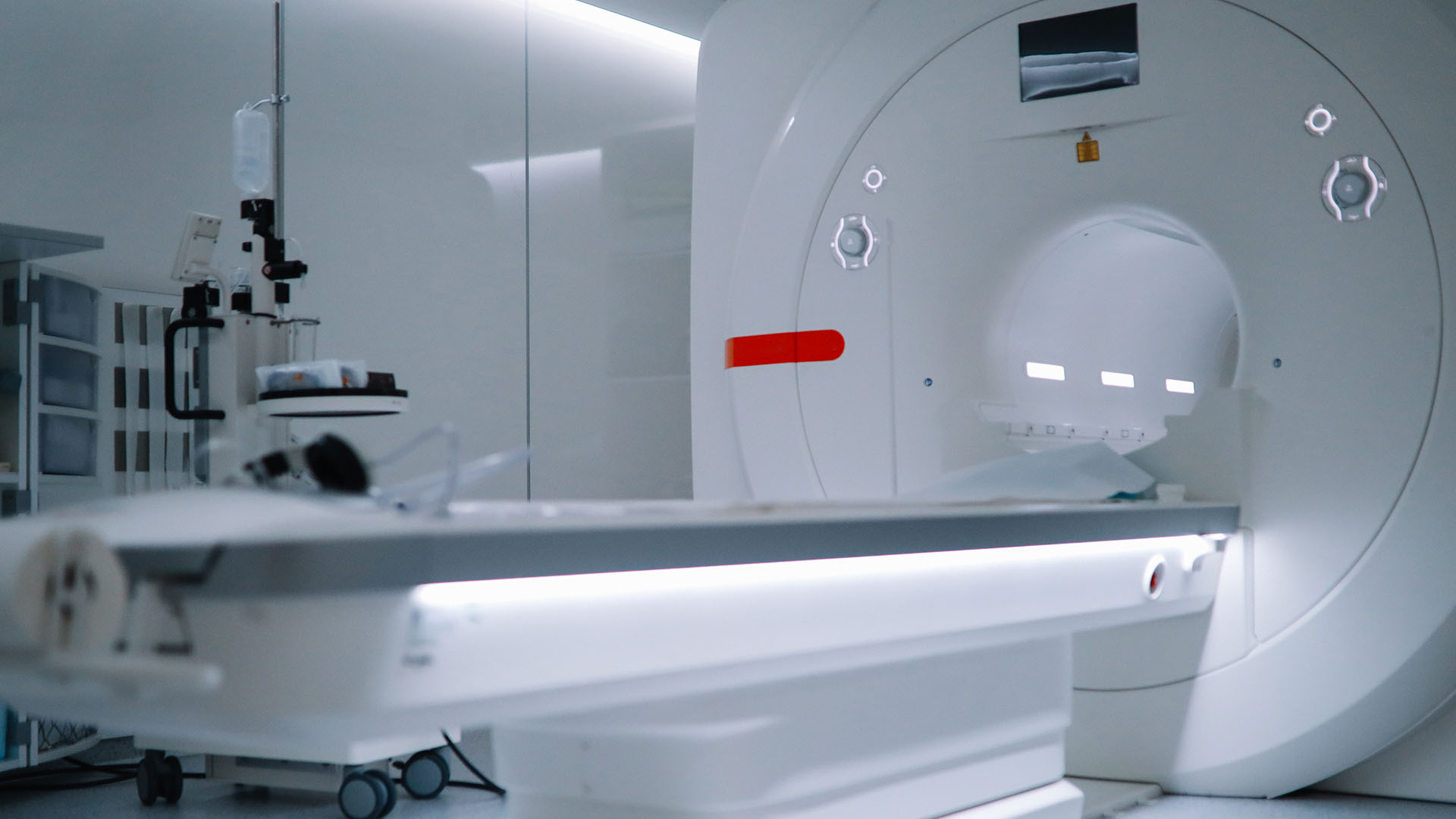
Equipment in the healthcare and social assistance industry is wide-ranging and can include X-ray and MRI machines and CT scanners, ventilators, dialysis machines, surgical equipment, hospital beds, examination tables, lifting equipment and vehicles. It can also include computers, monitors and other equipment used for communication and record-keeping.
The level of risk can change or increase if equipment is not well maintained, not fit-for-purpose for the task or not used properly (e.g. a hoist is not well maintained causing its lifting arm to disconnect from the lifting column). Other risks include hearing loss due to noisy equipment, and musculoskeletal disorders caused by manually lifting a patient or client or using poorly designed equipment.
Under WHS laws, there are specific duties that apply for equipment. These are outlined in Table 5. Note that equipment that relies only on manual power for its operation and is designed to be mainly supported by hand (e.g. a syringe) is not covered by the specific duties relating to equipment.
For more information see Who has WHS legal responsibilities and the Code of Practice: Managing the risks of plant in the workplace.
Table 5: WHS duties relating to equipment
| Duty holder | WHS duties |
|---|---|
| Employer or contractor with management or control of fixtures, fittings or equipment |
|
| Designers, manufacturers, importers and suppliers of equipment, substances or structures |
|
| Installers |
|
| Workers |
|

Radiology
Machines that use radiation for medical purposes pose risks to health and safety for workers. All Australian jurisdictions have annual limits for occupational exposure to radiation.
Key controls for managing risks of radiation include:
- rotating workers through tasks to ensure their exposure to radiation is as low as possible
- avoiding radiation exposure by pregnant or breastfeeding workers
- monitoring the health of workers, including through regular health monitoring
- use of dosimeters, with adequate systems and training in place to ensure that multiple workers are not using the same dosimeter
- using appropriate personal protective equipment (PPE) including lead-lined aprons
- ensuring workers are suitably trained
- controlling access to radiology areas, and
- using signage to warn people in the workplace about areas where radiation exposure may occur.
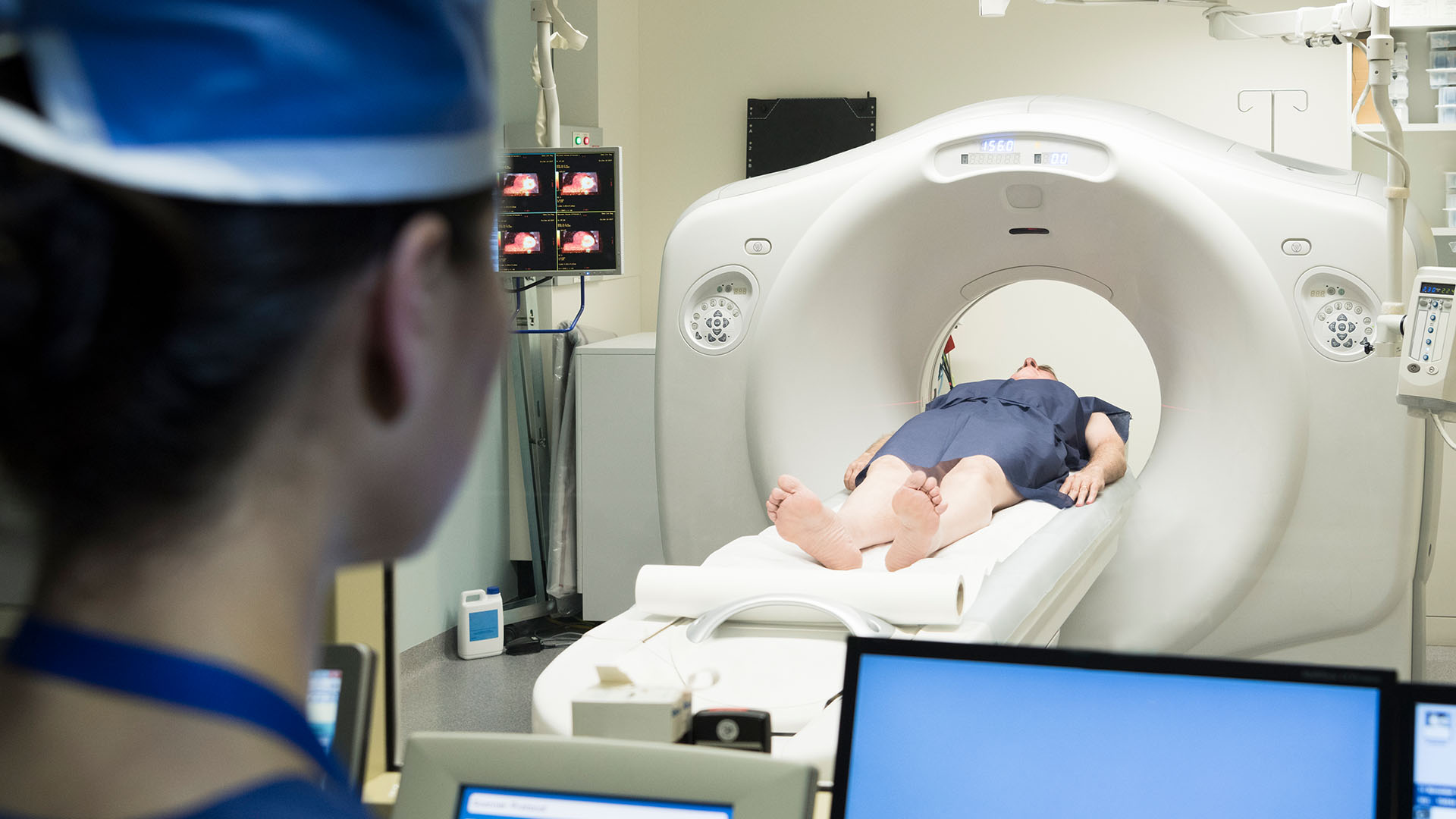
You should ensure that risks to workers’ health from radiation are managed in accordance with the Australian Radiation Protection and Nuclear Safety Agency’s Code for Radiation Protection in Medical Exposure. More detailed information is provided in that code.
How you should identify and assess hazards and risks
Consult with workers and others to identify and assess hazards and risks
How you should control risks
Consult with workers and others to design controls
Eliminate the risks of equipment hazards as much as you reasonably can, including through good work design.
If risks cannot be eliminated, use the hierarchy of controls. The following are example controls for managing the risks of equipment:
- Substitute the hazard with a safer alternative (e.g. replace castors or improve handles on trollies to make them easier to push or use)
- Isolate the hazard from any person exposed to it (e.g. install screens to minimise radiation from equipment such as X-Ray and MRI machines).
- Engineering controls (e.g. equipment guarding)
- Administrative controls (e.g. implement a tag-out system to ensure the equipment is isolated from its power source and not operated while maintenance or cleaning work is being done, train workers to operate equipment safely).
- Provide PPE (e.g. lead-lined aprons for workers using X-Ray machines, protective eyewear).
Use a combination of control measures to effectively eliminate or minimise risks.
Maintain and review controls to ensure they are being used and are effective, especially after any changes to the task or workplace.
Case study – Mobile workstations
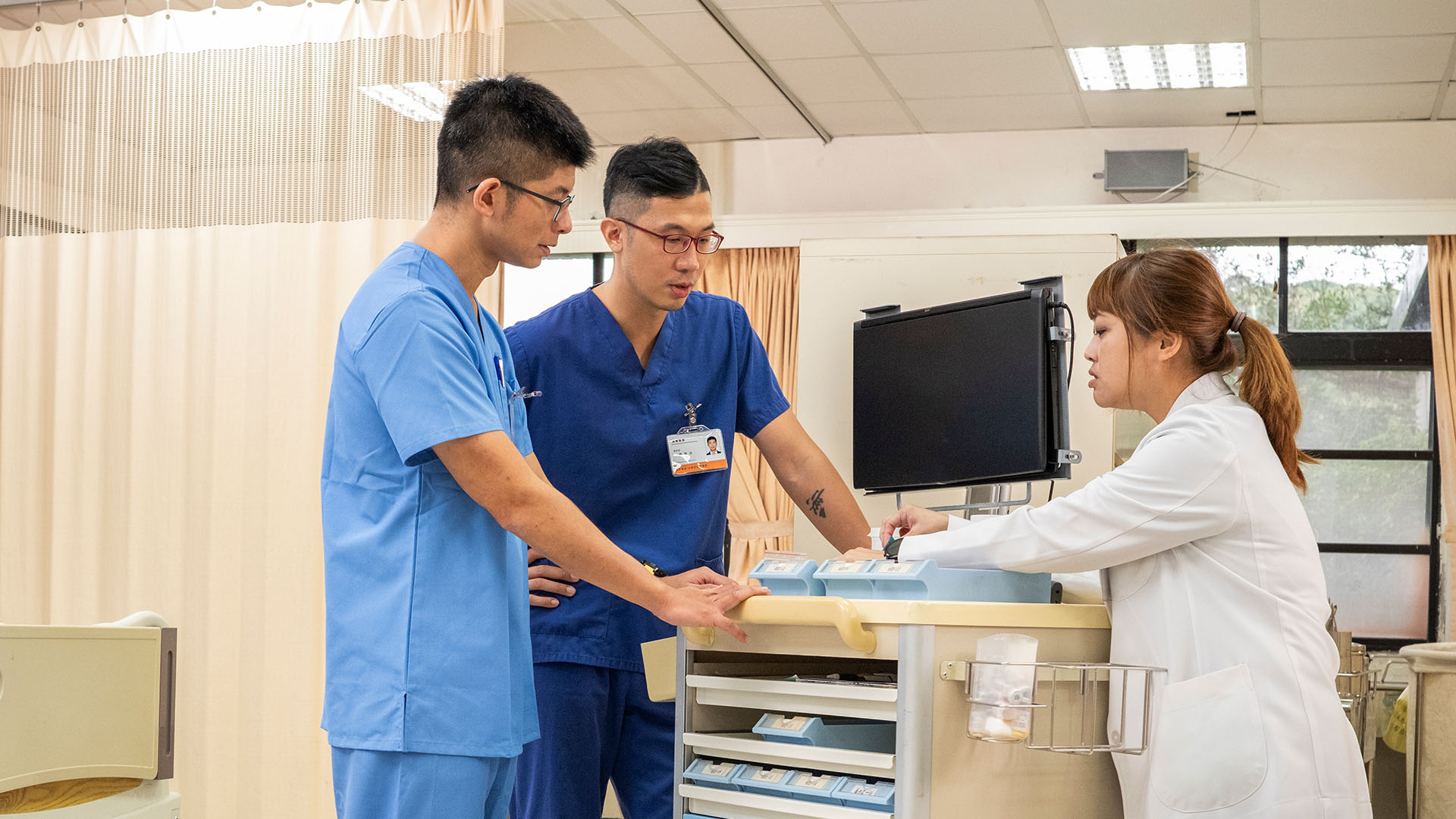
Nurses in a busy regional hospital have been using mobile workstations with laptops to take clinical notes and manage patient information. Since the workstations were rolled out, there has been an increased incidence among nurses of wrist injuries, which the hospital suspects may be due to the ergonomic set-up of the workstations. On reviewing the manufacturer’s instructions for both the laptop and the mobile workstation, the hospital discovers they have been set up incorrectly and are not being used as intended.
The hospital consults with nurses who share that the mobile workstations have increased both physical and psychosocial risks, as nurses also have less time away from patients and feel they are expected to be ‘always on the go’. The hospital redesigns work processes, rotating nurses through shared, static workstations away from patients for administrative work. The workstations are ergonomically designed and reduce the incidence of wrist injuries.