Key messages
When compared to other industries, workers in the healthcare and social assistance industry are at a much greater risk of exposure to biological hazards because of the nature of their work providing care to people who may be unwell, providing support to people with complex conditions, and handling of potentially infectious materials. However, the risk of biological hazards can be effectively managed in the workplace with preventative controls.
Jump to:
How you should identify and assess hazards and risks How you should control risks Case study: Norovirus outbreak in an aged care home
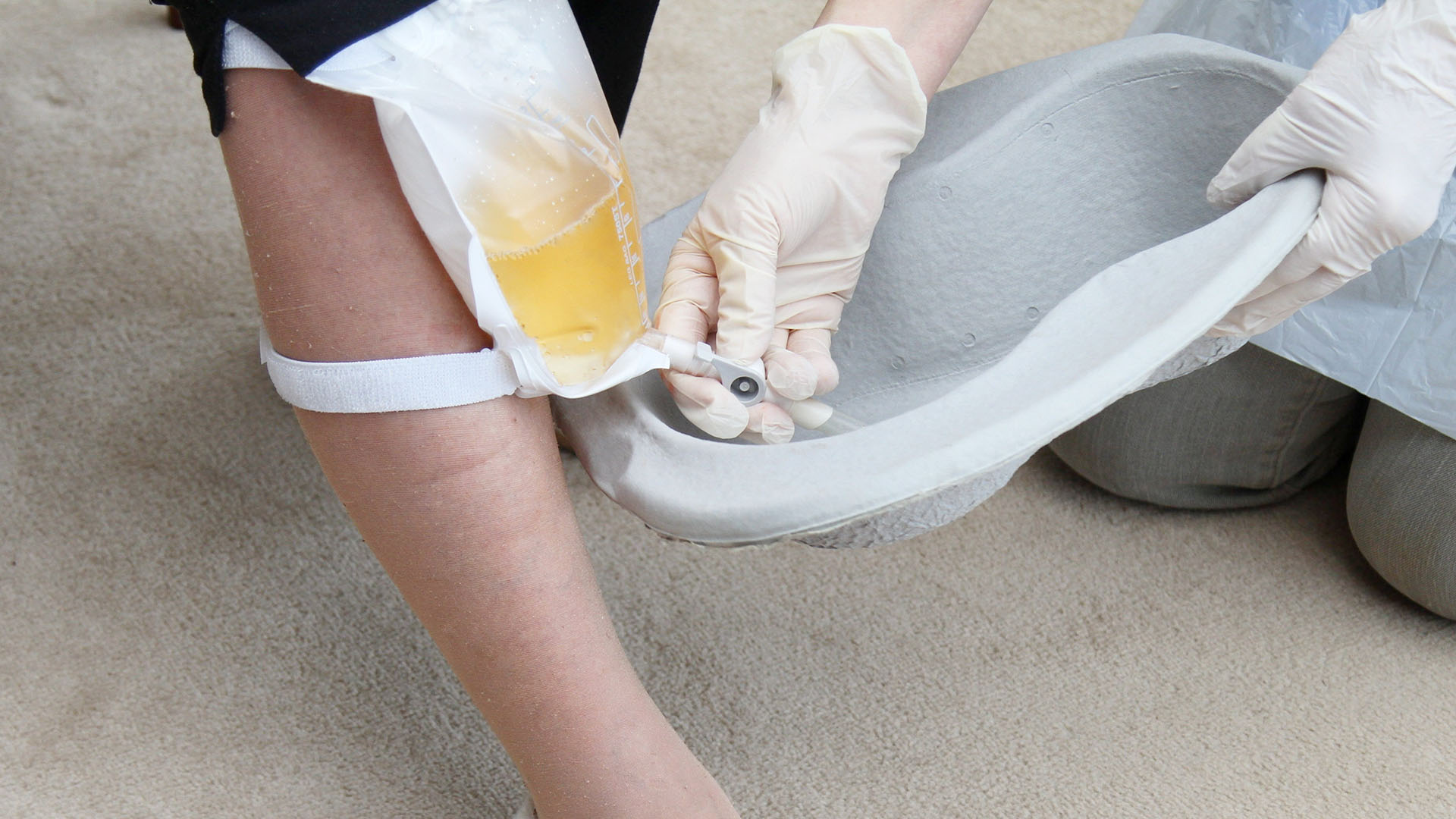
The most likely biological hazards that workers will be exposed to in the healthcare and social assistance industry are viruses, bacteria and parasites from contact with unwell people or with items containing or contaminated with their bodily fluids (e.g. blood, faeces, vomit, urine, saliva, fluid from coughs, sneezes or wounds).
Other biological hazards may also be present in the workplace, such as mould and allergens (e.g. animal dander). Exposure to a biological hazard can result in illness or disease in a worker or other person at the workplace.
Examples of how a worker or other person at the workplace may be exposed to a biological hazard in the healthcare and social assistance industry include:
- Direct contact with a person who has an infectious disease
- During clean-up of vomit, faeces, urine, blood or other fluid from wounds
- Handling contaminated items (e.g. soiled clothing and bedding, contaminated utensils and personal effects, food, waste items, surfaces)
- Breathing in air containing infectious particles or contact with droplets from coughs or sneezes on eyes, mouth or nose.
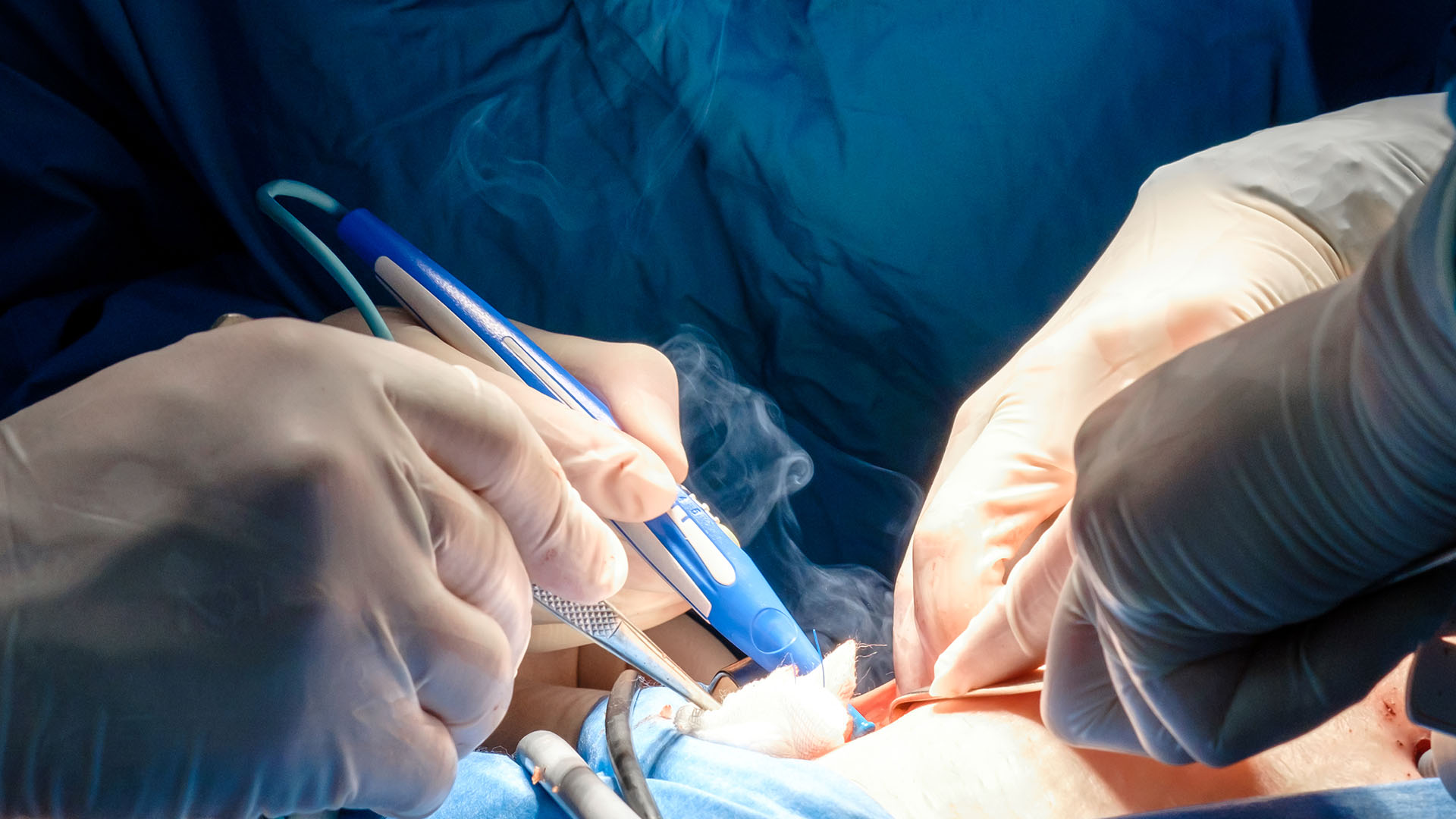
- Surgical plume containing a mix of hazardous components (e.g. ultra-fine particulates, bacteria, viruses)
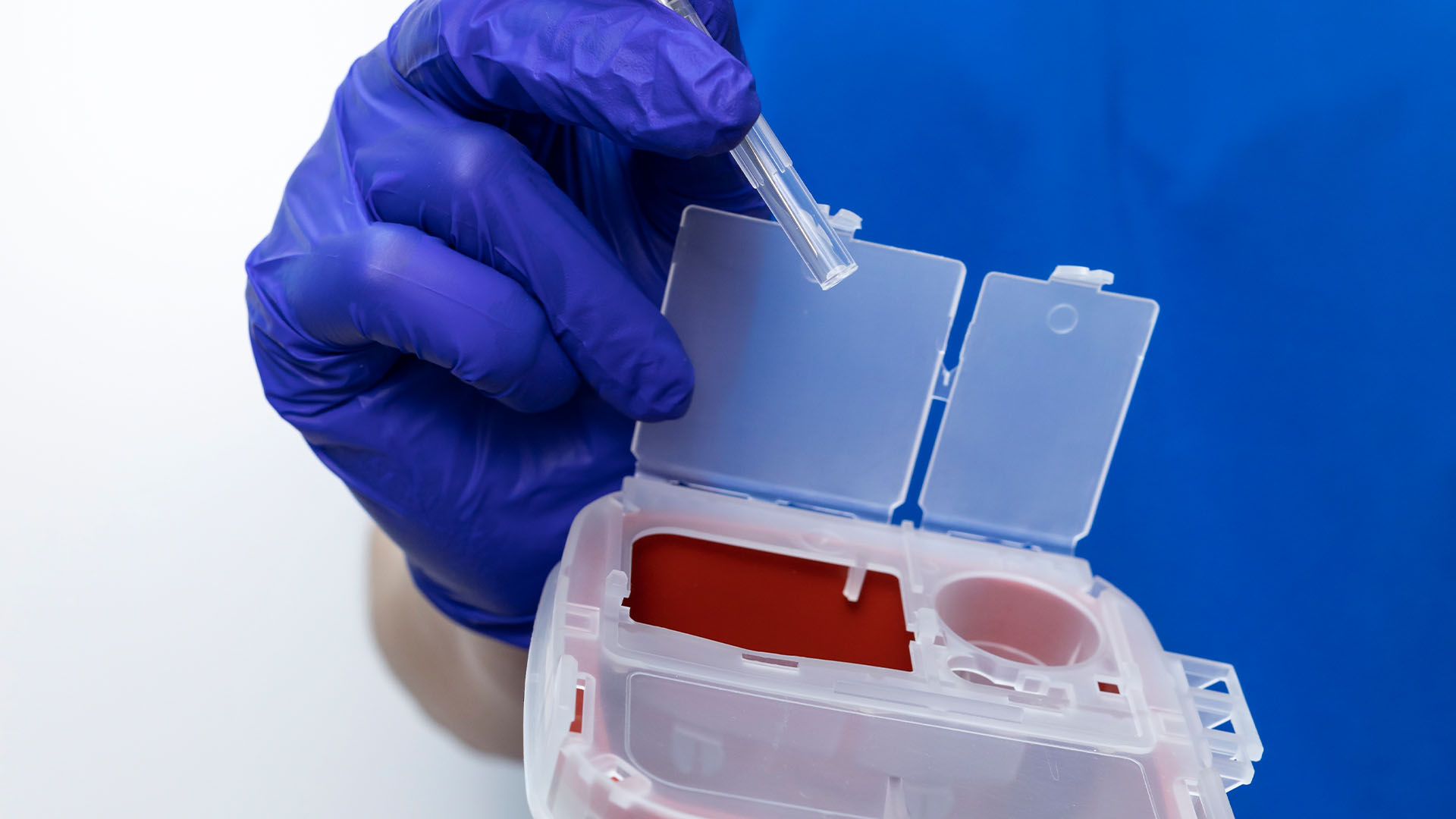
- Sharps injury causing exposure to blood or other bodily fluids
- Breathing in air containing mould spores
- Breathing in air containing animal dander
Note: Some biological hazards (e.g. influenza, COVID-19 and gastro) have the potential to spread rapidly between people.
You must ensure that workers and others in the workplace are not exposed to WHS risks from biological hazards. You must eliminate risks as much as you reasonably can. If elimination is not possible, you must minimise risks as much as you reasonably can.
You have a range of other WHS responsibilities that may be relevant to preventing risks from biological hazards, including providing adequate and accessible facilities (e.g. for handwashing), and providing adequate training and information to safely perform tasks and appropriate personal protective equipment (PPE).
In addition to WHS laws, there are other requirements and standards for managing the risks of biological hazards that apply in the healthcare and social assistance industry, such as the National Safety and Quality Health Standards 2021 Preventing and Controlling Infections Standard. Complying with these standards does not guarantee compliance with WHS laws, and vice versa.
More information on managing the risks of biological hazards can be found in:
In addition to the general risk management process, there are additional considerations to consider when managing the risks of biological hazards.
Personal protective equipment for infectious diseases
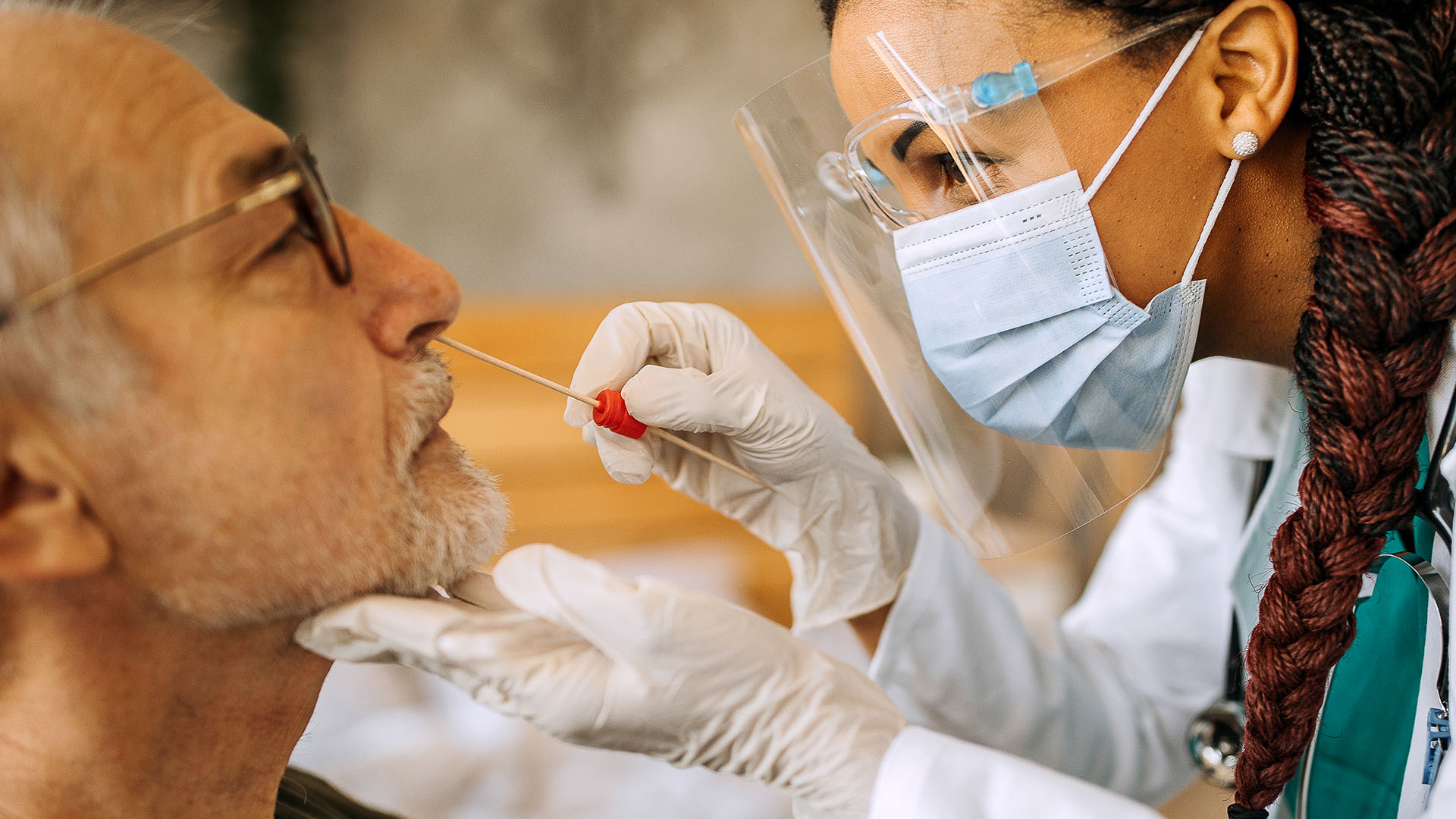
PPE is an important control for managing the risks of biological hazards. You must provide PPE free of charge to workers (unless it has already been provided by someone else). It must fit the person using it and be comfortable for them to wear.
You must also ensure the PPE stays in good condition (e.g. clean and hygienic, repaired or replaced when damaged) so that it continues to be effective in managing WHS risks. You must train workers in how to use PPE properly (e.g. how to store and maintain, how to put on and take off safely).
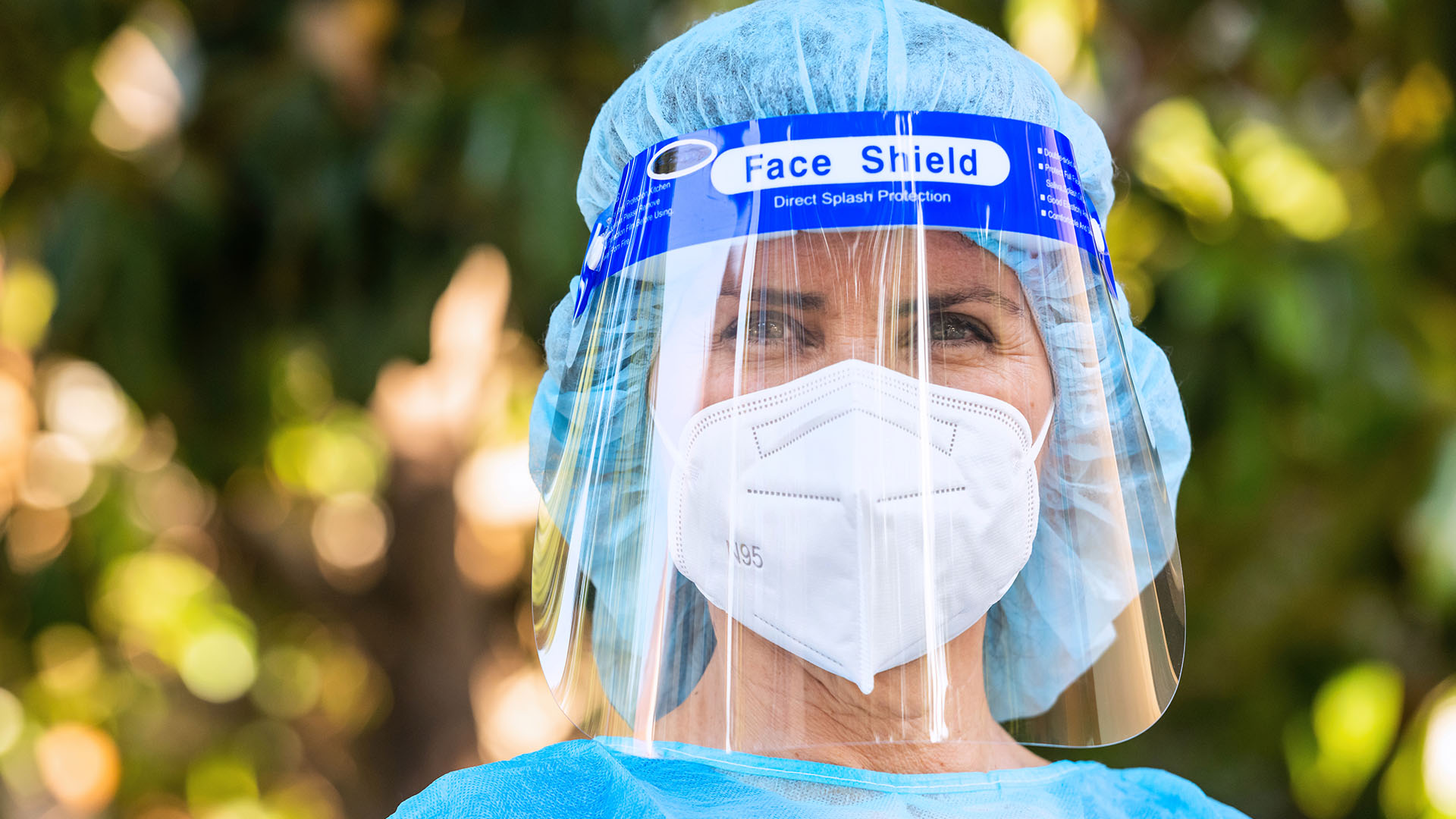
Different WHS risks will require you to provide different PPE. Not all PPE protects the wearer from exposure to biological hazards. Protection from airborne diseases requires the use of tight-fitting respirators (e.g. N95/P2 masks). Tight-fitting respirators need to be fit tested to the worker to ensure they provide suitable protection and fit checked by the worker each time they are put on. Workers wearing tight-fitting respirators will require regular breaks to avoid injuries or discomfort.
How you should identify and assess hazards and risks
Consult with workers and others to identify and assess hazards and risks
Identifying the different sources of biological hazards (where they can be found) and how they can affect people (including whether they can spread to others) is the first step of your risk assessment.
When identifying the hazards and potential infection sources consider the following factors which may increase risks:
How you should control risks
Consult with workers and others to design controls
Eliminate the risks of biological hazards as much as you reasonably can, including through good work design. The hierarchy of controls can assist you in managing risks.
In some settings, relatively simple control measures may effectively minimise the risk (e.g. PPE suitable to the risk, ventilation, good hygiene practices, regular cleaning).
Additional control measures may be required in settings where risks are higher (e.g. infectious disease wards, aged care homes where residents are especially vulnerable to disease, during outbreaks).
In these circumstances, consider:
- increased hand hygiene
- more frequent cleaning and disinfection
- improved ventilation (e.g. surgical plume evacuator system, HEPA filters)
- use of negative pressure rooms
- signage on patient or client rooms
- greater physical distancing
- testing of visitors
- isolation of infected people from others (e.g. use an isolation room or cohort infectious patients together), and
- use of portable medical tents.
It is important that you seek and monitor information and advice from authoritative sources relevant to your workplace to help you identify the most effective and reliable control measures, particularly if there are outbreaks or emerging hazards.
Maintain and review controls to ensure they are being used and are effective, especially after any changes to the task or workplace.
In addition to the general advice on when to review risk controls, you should also consider reviewing controls when you receive new information about a biological hazard (e.g. a new virus or strain of an existing virus) or ways to control risks (e.g. a new vaccine developed).
Case study – Norovirus outbreak in an aged care home
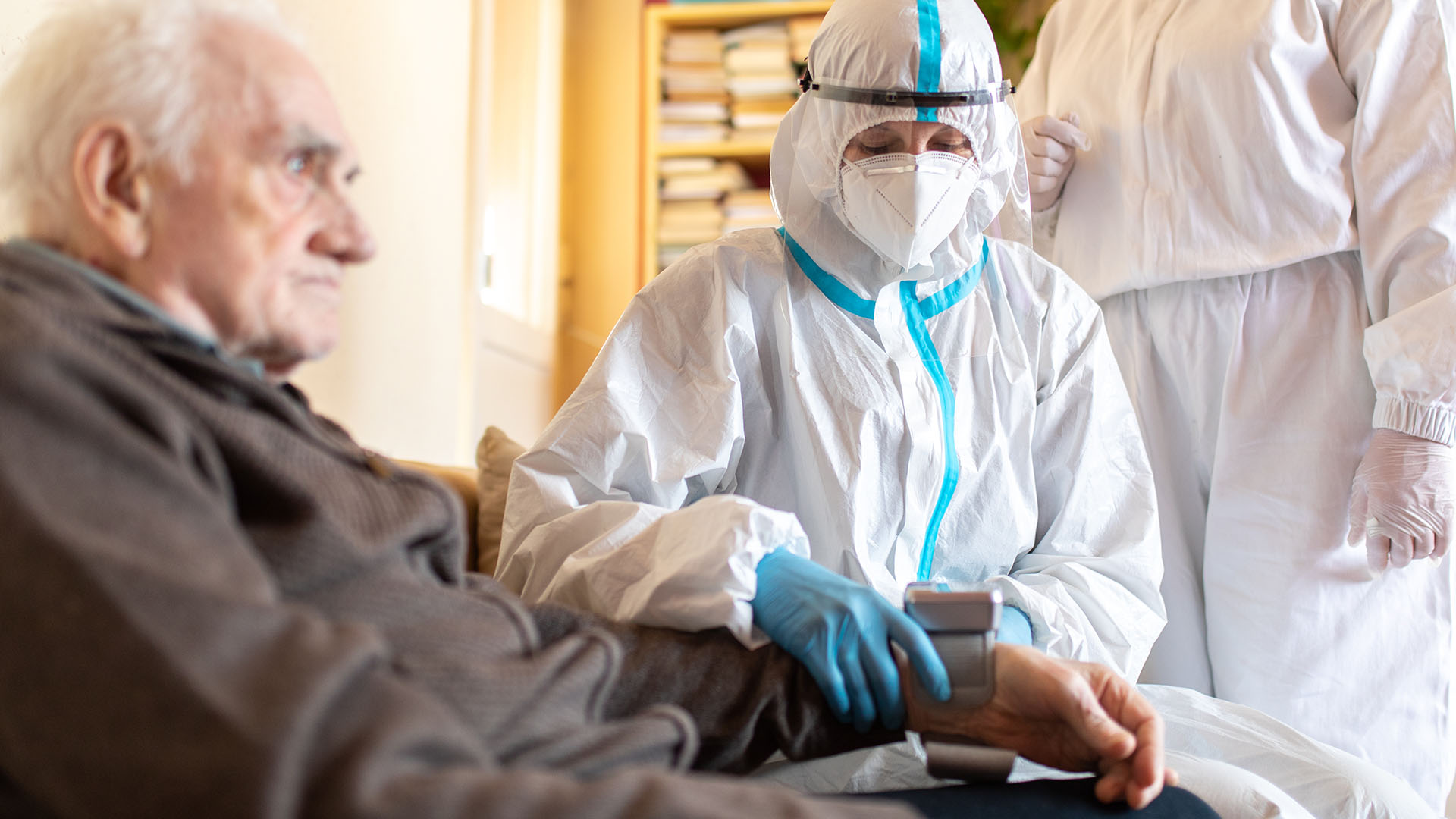
A resident in an aged care home reports they have been unwell for over a day with diarrhoea and that they have been in the communal dining room as well as some group activities. A swab later reveals that the resident has a norovirus infection. The aged care home’s policy requires the immediate use of additional control measures during infectious disease outbreaks to limit the spread between people.
The aged care home’s policies require additional contact measures to be put in place right away, with workers practicing more frequent hand hygiene and using masks, gloves and gowns.
Unfortunately, the aged care home cannot confine all residents to their rooms as there are not enough staff to monitor them all or manage restriction zones. After checking all the residents, 2 more report diarrhoea and vomiting. The residents with symptoms are provided with appropriate care and support in their rooms, which have ensuites, to prevent interaction with other residents while they are infectious.
While workers have increased handwashing and use of PPE, other staff at the home (including cleaning staff and cooks) are not given additional training or access to equipment. Investigation also reveals low levels of hand hygiene among residents and a lack of routine cleaning in dining areas. The virus spreads to 6 more people, including 3 workers, before it is finally contained.
An education program is developed to assist in preventing further infections. In future outbreaks, cleaning staff and cooks are given training in hand washing, issued with PPE, and asked to report symptoms promptly. Procedures are also updated to increase cleaning of frequently touched surfaces to reduce the risks of environmental contamination and transmission.