Key messages
Many workers in the healthcare and social assistance industry perform jobs that require the use of a vehicle. In Australia, vehicle-related incidents are the single biggest cause of work-related fatalities and can also pose significant injury risks for both workers and others.
Vehicles may belong to an organisation, or workers may use their own car. Either way, a vehicle being used for a work purpose is a workplace, and your responsibilities for managing WHS risks apply.
Jump to:
How you should identify and assess hazards and risks How you should control risks Case study: Resident transport
Vehicle-related hazards in the healthcare and social assistance industry do not just occur while driving on public roads. Other risks include patient handling in and out of vehicles, violence and aggression from patients within vehicles (including while driving), and vehicle roll-aways.
When using a vehicle for work, the vehicle becomes a workplace. This means the same WHS legal responsibilities that you have in other workplaces apply in a vehicle.
- When the vehicle is owned, leased or hired by the employer or organisation.
- When the vehicle being operated is owned by another organisation where a worker is the passenger.
- When a worker uses their own vehicle for work.
- When a worker travels on public transport such as taxis, buses, ride share and trains as part of their work.
You must ensure that vehicles used for work are suitable, safe and properly maintained. Like any vehicle, vehicles used for work should comply with road rules and safety standards. Workers must take reasonable care of their own safety when driving by following policies, procedures and road rules.
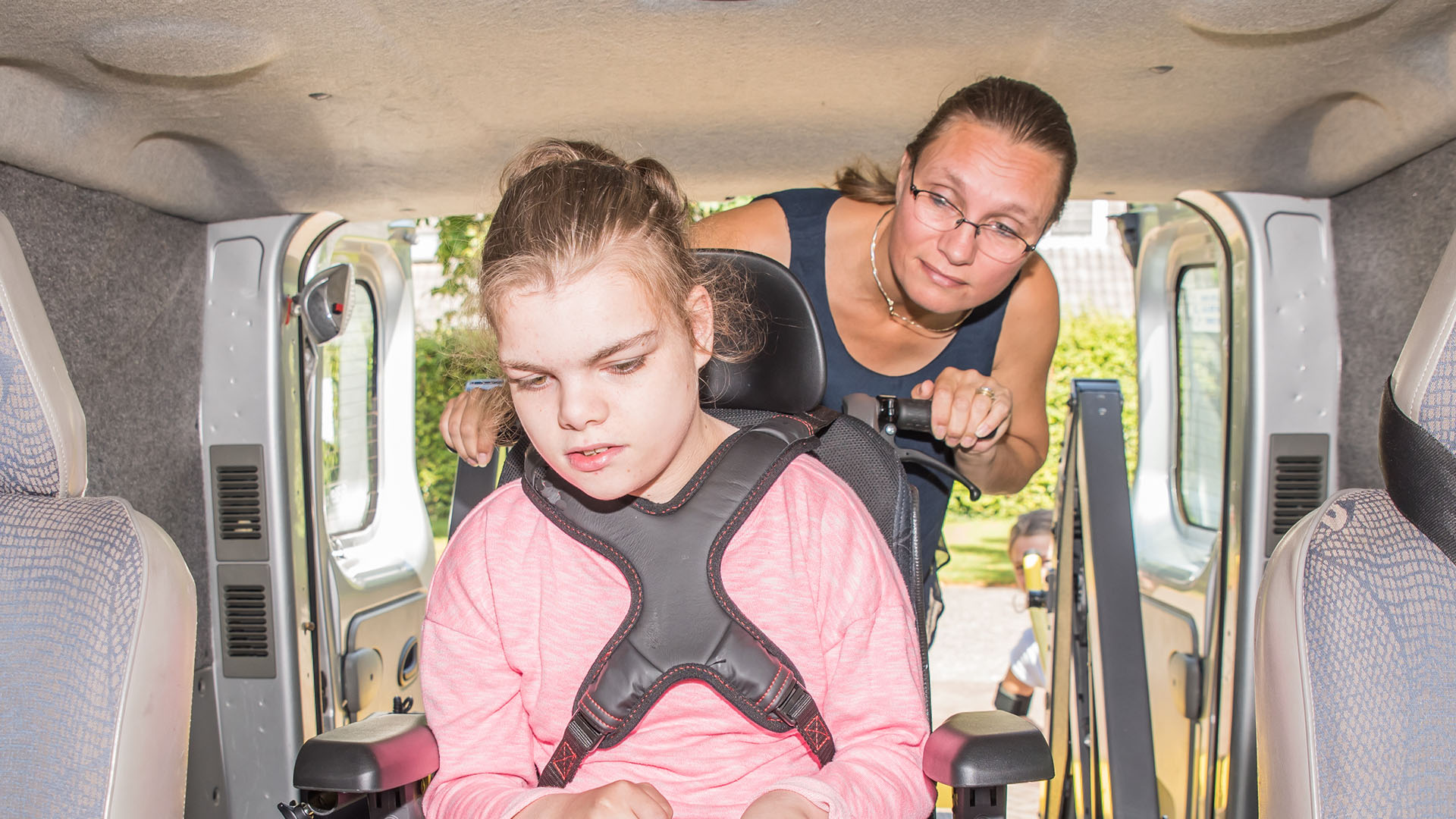
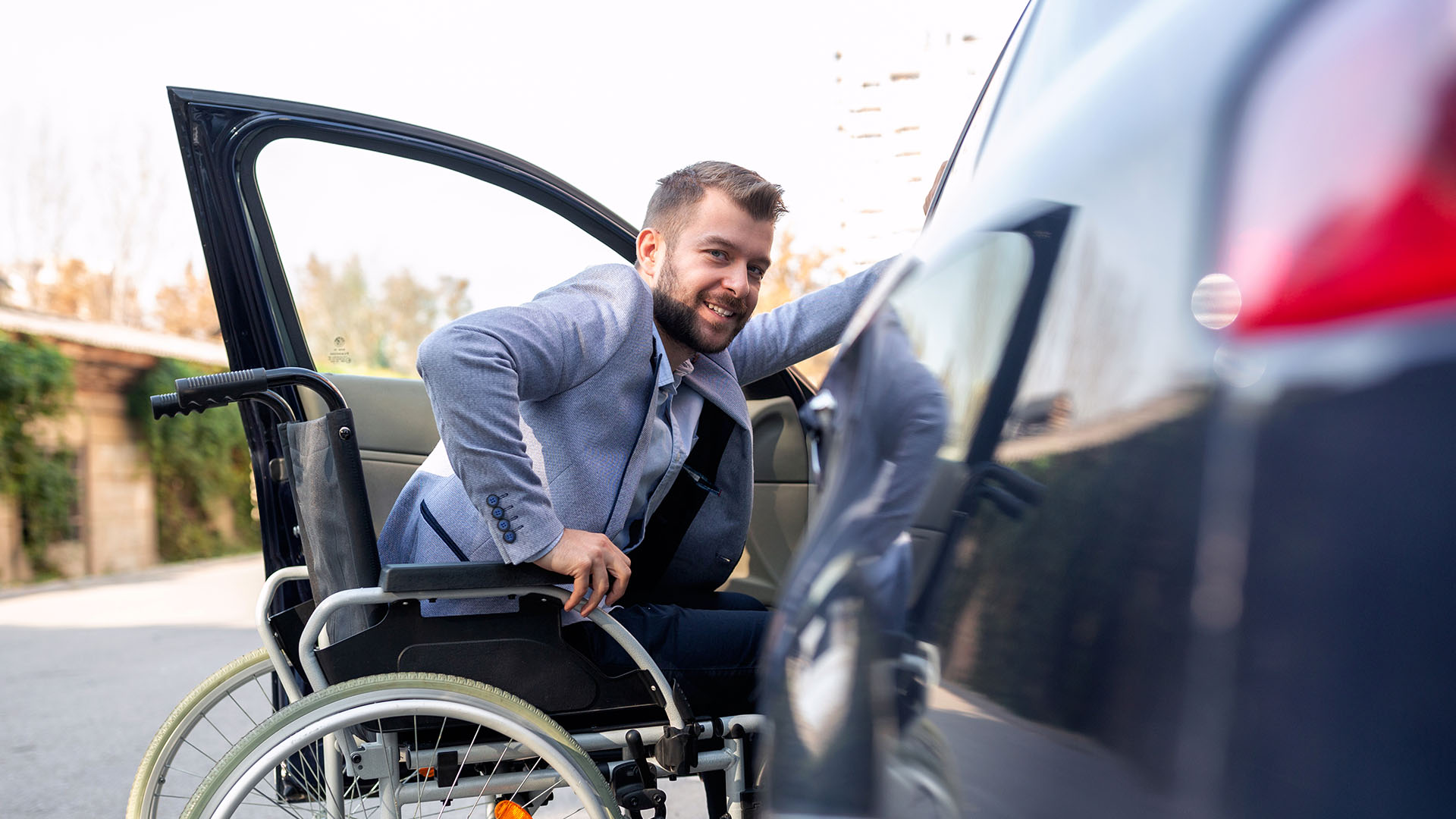
You must manage risks to the health and safety of workers associated with vehicles, such as during the transport of people between facilities and activities.
Road safety should not rely only on individual driving behaviour. You must put suitable and adequate control measures in place to manage the risks associated with driving. It is important to maintain an ongoing risk management process to prevent harm to the worker, patients or clients, and any other people in the workplace.
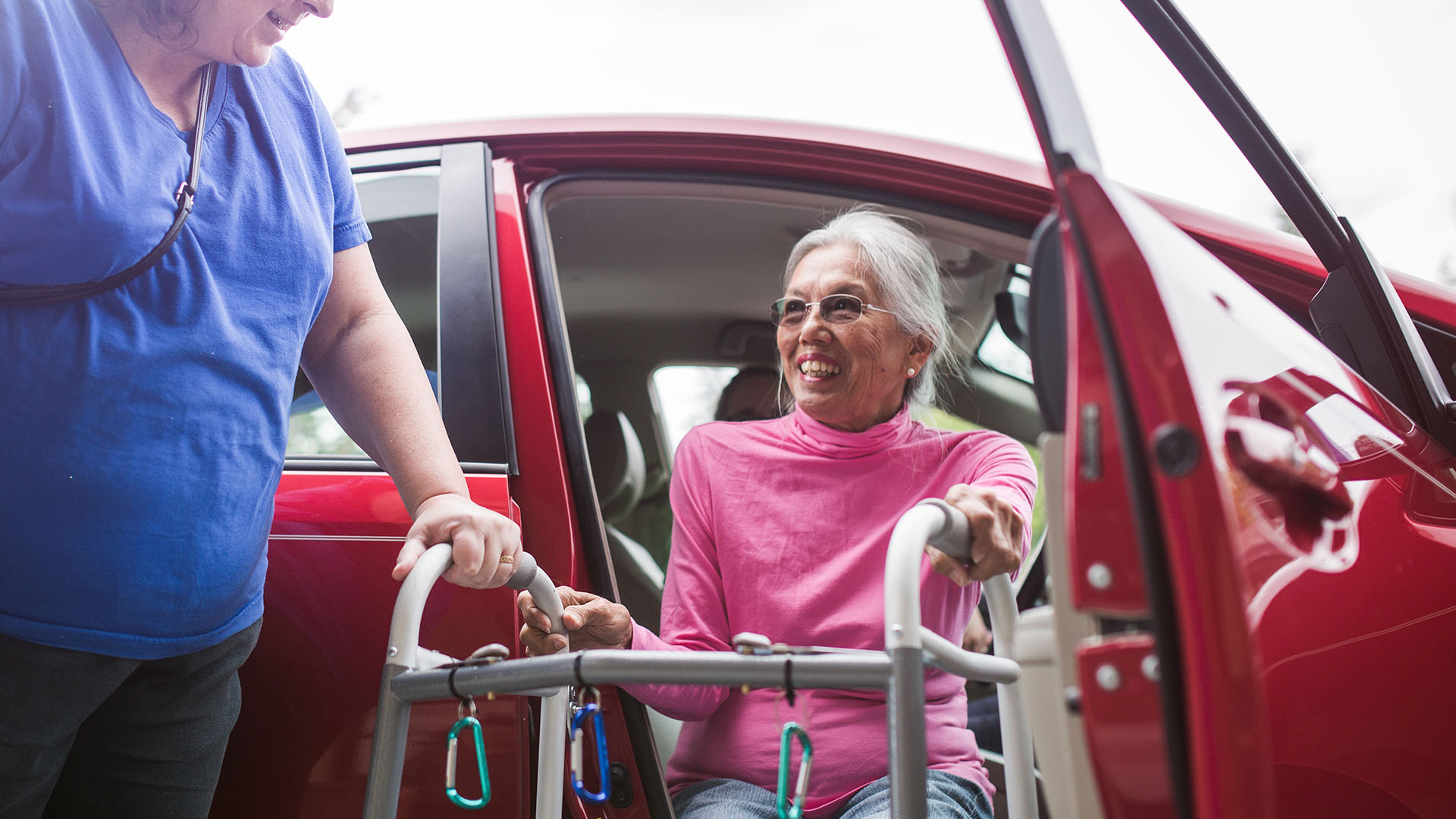
When transporting patients or clients, you should consider the following risks:
| Risk | Description |
|---|---|
| Patient or client-related risks | When transporting patients or clients, you should assess any risks that relate to their characteristics, such as medical conditions, known instances of aggression, mobility, and care needs. A care plan can help assess each patient or client’s unique needs, by including recommended medical aids, listing known cultural practices, and outlining safe handling practices (e.g. listing lifts and hoists required to move them, organising interpreting services to ensure informed consent, the number of workers required for safe lifting). For example, if workers are transporting a client with bariatric needs, ensure that a suitable vehicle is used with proper restraints and equipment is available to safely transport, handle and lift the client into the vehicle. This includes having specific bariatric-rated lifting equipment and a wheelchair. Also ensure there is enough space in the vehicle to accommodate the workers, client and equipment needed to perform tasks safely. |
| Suitability of the vehicle | When transporting patients or clients, it is important to select an appropriate vehicle for the task. Consider whether the vehicle can safely transport the patient or client, caters to their condition or bodily characteristics, the distance to be travelled and the road conditions of the planned route. Vehicles should be well-maintained and equipped with necessary safety features, and able to accommodate the required medical equipment. Employers and organisations must schedule regular vehicle inspections and maintenance to prevent breakdowns or other mechanical issues during travel. Vehicles with wheelchairs should include loading ramps and the ability to restrain wheelchairs safely during transit. Vehicles should also be suitably equipped, including with emergency communication devices, spare tyres and adequate water in remote areas. For example, if a client requires oxygen, secure the cylinder behind the client’s seat (if possible). Additional cylinders should be transported in the boot of vehicles, placed horizontally and firmly secured to prevent rolling. Leave the window slightly open when transporting or using oxygen. |
| Worker’s suitability to carry out transport tasks | You must ensure workers have enough information, training, instruction or supervision, to prevent WHS risks as much as you reasonably can. This should include a valid driving licence and could also include training on risk management, road safety, patient or client care on the road, safe equipment use, driving in dangerous conditions (e.g. floodwaters or bushfire areas) and relevant policies and procedures such as incident reporting. Workers should not be required to drive through floodwaters or bushfire areas, including if an area is still dangerous after a flood or fire has passed (e.g. fallen powerlines after a disaster). Workers should also not be required to drive when fatigued, as this can greatly increase the risk of a crash. |
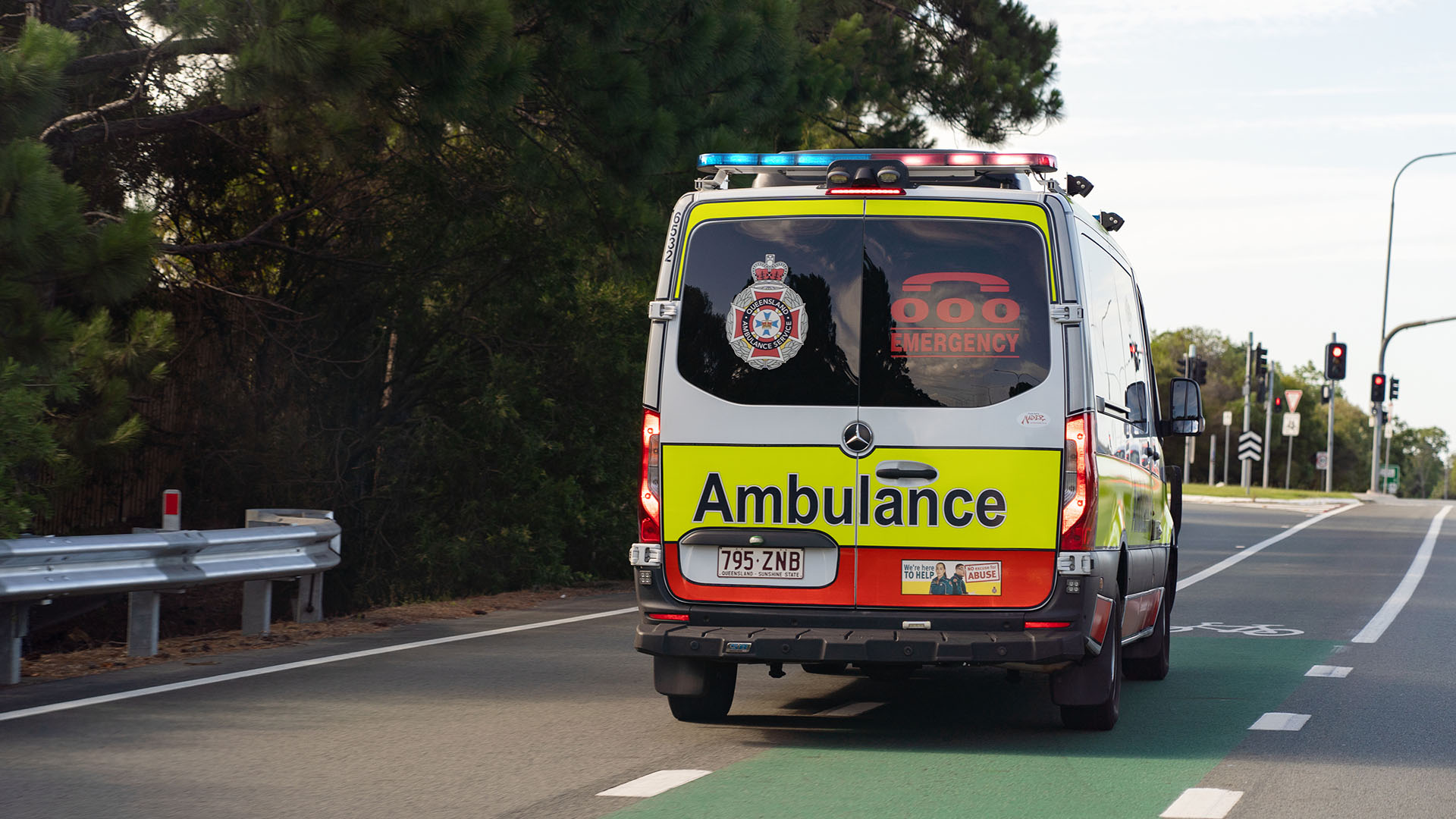
| Emergency response related risks | Emergency transport introduces increased risks due to the urgent nature of care required, time constraints, high-stress situations and the unique road rules that apply to emergency vehicles. This pressure to act quickly can lead to potential compromises in safety, due to factors such as increased driving speed, rapid decision-making and stressful interactions with patients or family members. In such scenarios, both patients and emergency transport workers may face additional risks that must be considered and managed by employers or contractors. For example, two paramedics responded to a rapidly deteriorating patient experiencing severe chest pain late at night. Since the patient’s outcome was heavily dependent on timely medical intervention, the paramedics had to drive at higher speeds and move through intersections while traffic lights were red. The patient lived on the second floor of a townhouse. Navigating the staircase without a patient lift resulted in an injury to one paramedic. Following the incident, the ambulance operator reviewed the equipment it provides in ambulances and increased the number containing patient hoists. The type of equipment available was noted in the dispatch system, and procedures changed to ask 000 callers if a building has stairs - allowing the right equipment to be sent. |
For more information see:
Vehicles that are not immobilised properly can pose serious risks to workers and others. Vehicle roll-aways result in a significant number of serious injuries and fatalities in Australia each year. Roll-aways can occur with any type of vehicle, including ambulances or private cars.
Roll-away incidents can be caused by:
- vehicles parked on an incline or unstable ground with brakes not engaged properly
- equipment failure or inadequate maintenance of the braking system
- starting a vehicle while it is in gear
- accidental use of the vehicle controls
- wheels not correctly immobilised, and
- a lack of training for workers on how to correctly immobilise vehicles.
More information on managing the risk of vehicle roll-aways is provided in the Fact sheet: Prevention of vehicle roll-aways.
How you should identify and assess hazards and risks
Consult with workers and others to identify and assess hazards and risks
How you should control risks
Consult with workers and others to design controls
Eliminate the risks of the hazard as much as you reasonably can, including through good work design.
Use the hierarchy of controls. The following are example controls for managing vehicle risks:
- Eliminate the risk (e.g. cancel non-essential trips especially during extreme weather, use video conferencing software instead).
- Substitute the hazard with a safer alternative (e.g. use a professional patient transport service instead of a worker’s car to drive clients).
- Isolate the hazard from people (e.g. use designated pick-up and drop off zones to separate vehicles from workers and pedestrians).
- Engineering controls (e.g. ramps, lifting equipment, reverse cameras, parking sensors, vehicle tracking systems).
- Administrative controls (e.g. schedule enough time between visits to avoid rushing, limit consecutive shifts to prevent fatigue, provide training on safe driving and vehicle inspection).
- Provide PPE (e.g. masks and gloves to prevent the spread of infections in an enclosed vehicle, high-visibility vests when working in areas with traffic).
Use a combination of control measures to effectively eliminate or minimise risks.
Maintain and review controls to ensure they are being used and are effective, especially after any changes to the task or workplace.
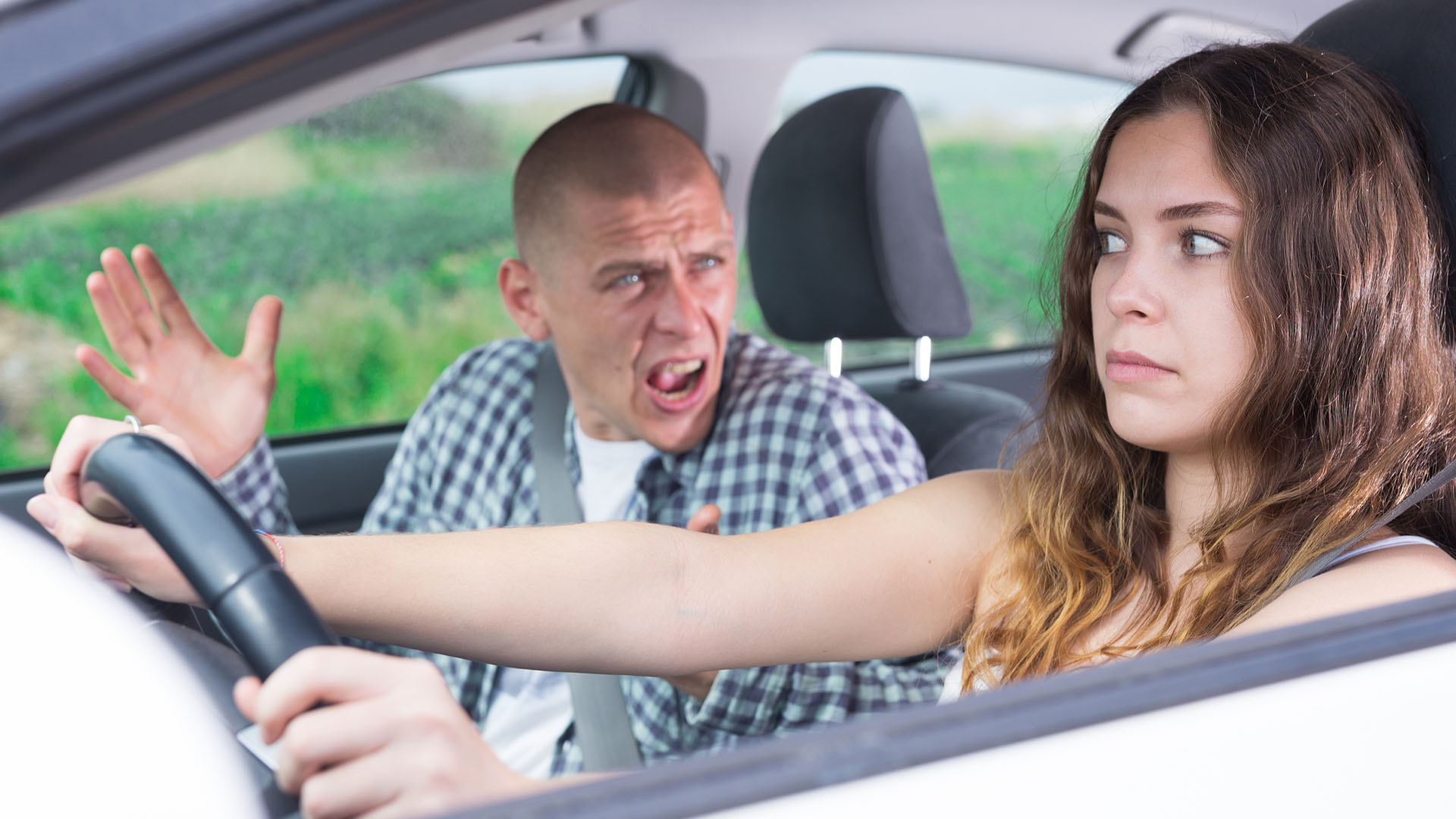
Case study – Resident transport
An aged care worker is tasked with transporting a resident with a history of mental health conditions. Every fortnight, he drives the resident from his care facility to the local medical centre for a routine appointment.
The resident has exhibited aggressive behaviour in the past, but no incidents were expected during this trip.
However, mid-journey he suddenly becomes agitated and aggressive. The behaviour escalates from kicking the back of the worker’s seat to reaching forward from behind and attempting to choke and shove the worker, who struggles to maintain control of the vehicle.
Luckily, on this occasion the worker manages to pull over safely and calm the resident down before returning to the aged care home. The worker immediately reports the incident to her supervisor.
A review of the incident identified that the incident was a serious one which put the lives of the worker, the resident and other road users at risk. The facility decided to:
- monitor patients before transport for signs of potential behaviour risks.
- install a physical barrier to separate the driver from passengers, where appropriate.
- arrange for some medical visits to occur at the aged care facility.
- avoid seating patients with known behavioural issues directly behind the driver.
- roster on additional staff members when required.
- safely pull over on the road at the first signs of aggressive behaviour.
- review incidents where aggressive behaviour has been recorded and evaluate whether these patients require a second support worker during transport.