Key messages
Many workers in the healthcare and social assistance industry regularly use electrical equipment as part of their duties, creating potential WHS risks to workers and others in the workplace. Electrical hazards can arise from a variety of factors such as damaged cords, old devices and improper use of fixed or portable medical devices.
Larger facilities such as hospitals and aged care homes may have well-established procedures for managing electrical risks. However, workers providing care and support in private homes may be more likely to encounter hazardous electrical equipment that has not been inspected by an electrician. You should ensure all workers are aware of the risk of electrical hazards, and do not attempt to fix electrical issues yourselves. This must only be done by a qualified electrician.
Jump to:
How you should identify and assess hazards and risks How you should control risks Case study: Electrical risks in a patient’s home
Electrical risks are the risks of death or other injury caused directly or indirectly by electricity. The most common causes of electrical deaths or injuries are:
Electric shocks: The human body conducts electricity. If any part of the body touches live electricity, it can cause an electric shock. Injuries caused by electric shock can include burns to the skin, burns to internal tissues, damage to the heart or death.
Electrical fires resulting from an electrical fault, arcing or explosion, which can cause death or burns.
You must manage electrical risks at the workplace. When managing electrical risks, risks must be eliminated as much as reasonably possible. If this is not possible, the risks must be minimised as much as reasonably possible.
You must ensure that electrical equipment is suitable, safe and properly maintained regardless of who owns or supplies the device and where it is located (e.g. hospitals or private homes). This includes ensuring that:
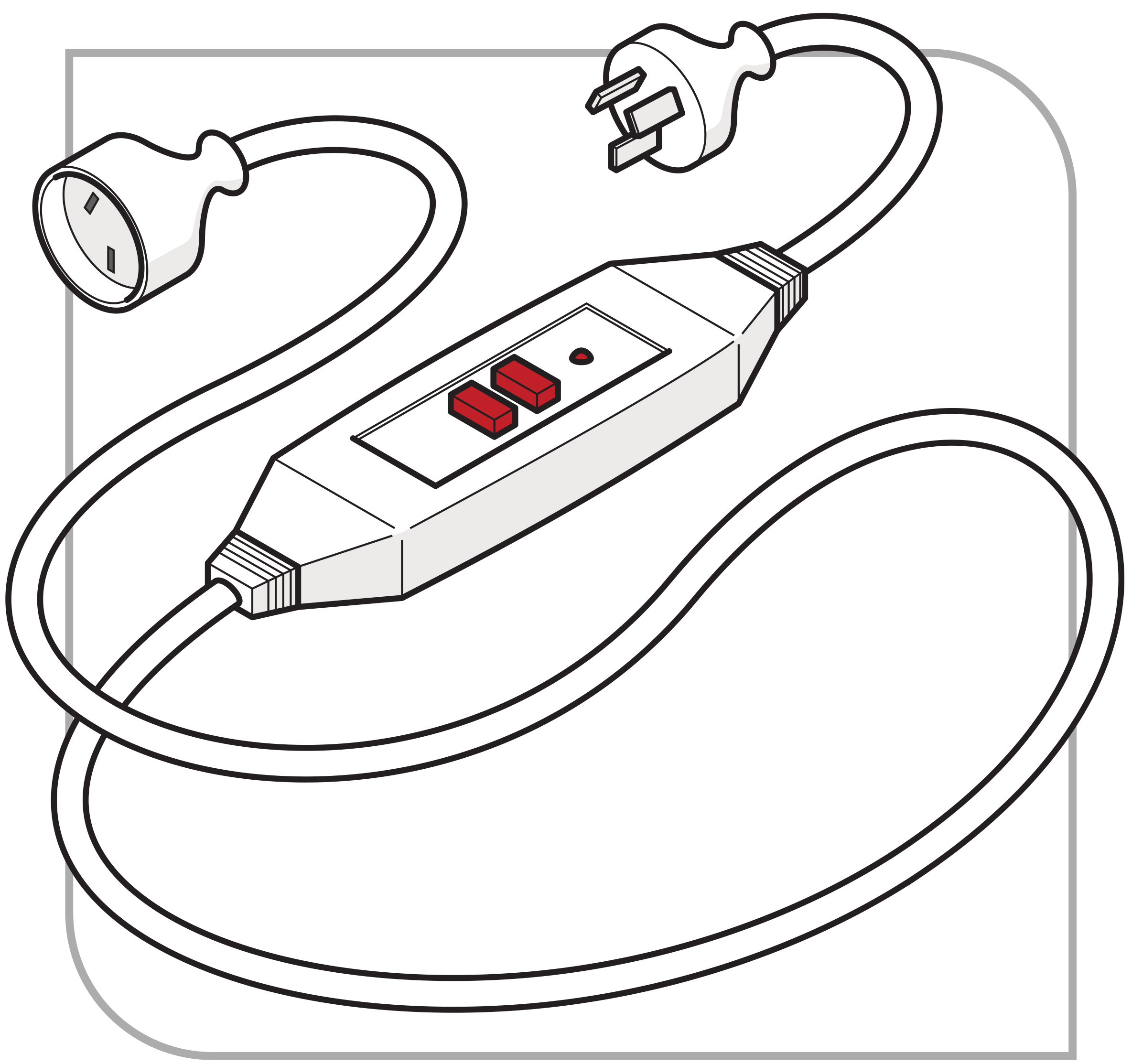
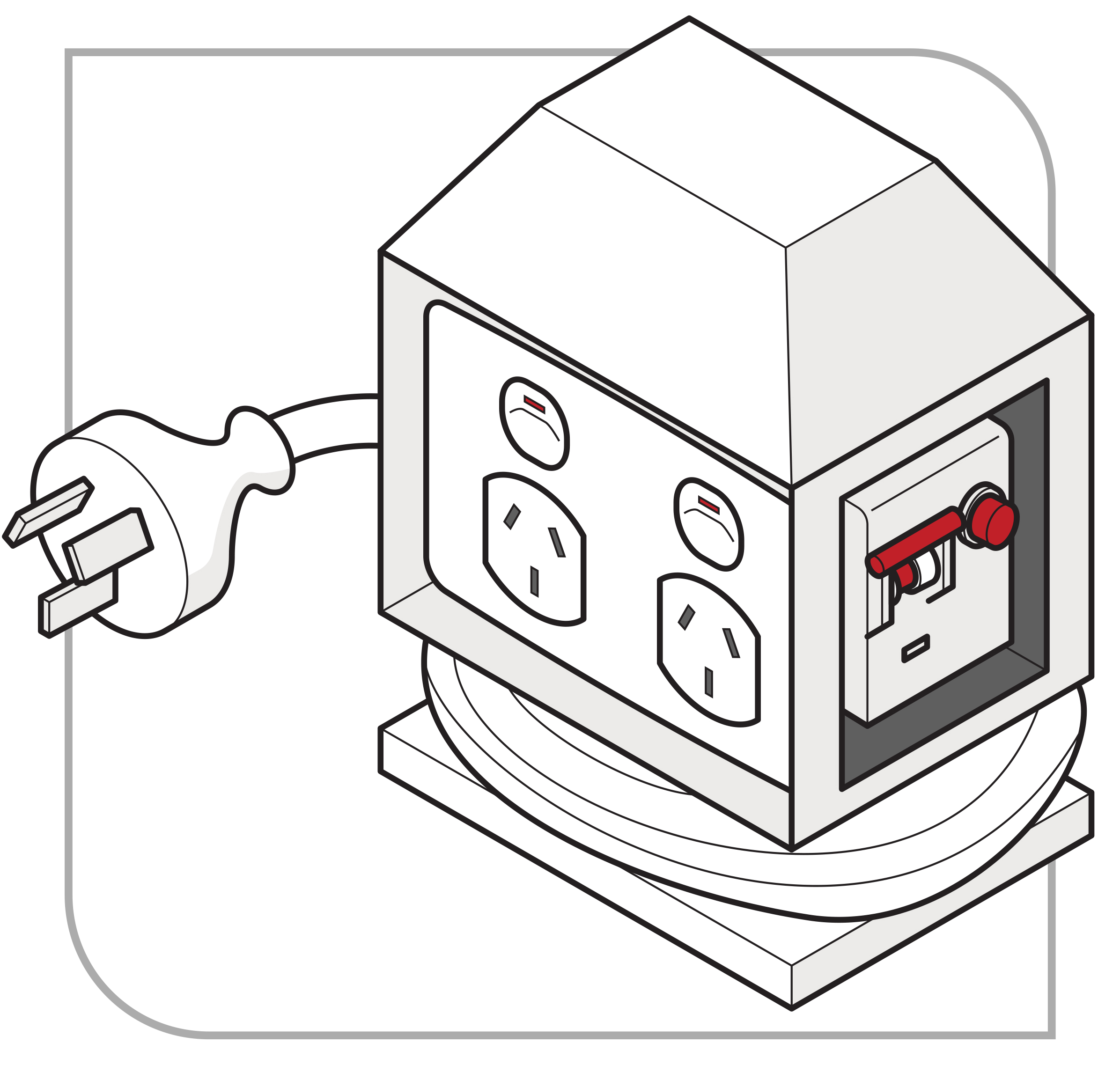
- residual current devices (RCDs, sometimes known as ‘safety switches’) are installed. RCDs are a personal protection device that disconnect electricity in case of electrical fault and can be both fixed or portable. Fixed RCDs are usually installed at either the switchboard or a fixed socket outlet. Portable RCDs are usually plugged into a socket outlet fitted to a power cable.
- Workers providing care or support in private homes should be provided with a portable RCD to protect their safety when using any electrical devices in the home.
- You must ensure RCDs are tested regularly and working effectively. This includes daily push button tests by the user and tripping time tests by a suitably qualified person every 6 months.
- any malfunctioning equipment is disconnected, isolated from electricity supply and removed from use if safe to do so.
- only competent persons (e.g. a qualified electrician) routinely test and tag electrical equipment prior to use or after a suspected malfunction.
- reporting arrangements are made to let supervisors and other workers know about electrical equipment taken out of service, especially for safety reasons.
- workers do not use electrical equipment in hostile conditions (e.g. wet or dusty areas, outdoors) unless the equipment is made for those conditions.
Workers have a responsibility to ensure they are safe while using any electrical equipment by following workplace policies and procedures.
Some equipment involves greater risk than others. The healthcare and social assistance industry often relies on portable medical devices that use electricity like ventilators, patient monitoring equipment, power-assisted beds and domestic appliances like vacuum cleaners and hair dryers. Regular movement of plug-in equipment can cause damage to plugs and socket outlets, electrical connections, and electrical cables. Electrical cables can also become damaged if caught in bed mechanisms. Cables should be positioned to avoid this.
Workers exposed to electrical risks are not the only ones at risk. Faulty electrical equipment can also lead to fires and damage to property which can cause widespread death or injuries.
Employers and contractors must manage WHS risks to workers associated with electrical hazards. It is important to maintain an ongoing risk management process to prevent harm to the worker and any other people in the workplace.

For more information see:
How you should identify and assess hazards and risks
Consult with workers and others to identify and assess hazards and risks
How you should control risks
With electrical hazards, you should ensure:
- RCDs are installed and portable RCDs provided for private homes,
- malfunctioning equipment is disconnected, isolated and removed from use,
- only qualified electricians test and tag electrical equipment and test RCDs
- reporting of electrical equipment that is taken out of service, especially for safety reasons, and
- workers do not use unsuitable electrical equipment in hostile conditions (e.g. wet or dusty areas, outdoors).
Consult with workers and others to design controls
Eliminate the risks of the hazard as much as you reasonably can, including through good work design.
Use the hierarchy of controls. The following are example controls for electrical hazards:
- Eliminate the hazard (e.g. turn off electricity to isolate hazardous equipment).
- Substitute the hazard with a safer alternative (e.g. use a battery operated device instead of one connected to mains power).
- Isolate the hazard (e.g. lock-out tag-out of circuit protective device and apply a danger tag).
- Engineering controls (e.g. RCDs, cable protection covers to prevent damage to electrical cables, provide enough socket outlets to prevent overloading)
- Administrative control measures (e.g. schedule regular inspections, set protocols for workers to unplug equipment when not in use, train workers to identify and report faulty equipment, have a licensed electrician test and tag electrical equipment and RCDs, use permits and warning signs).
- Provide personal protective equipment e.g. wear insulated gloves when working with electrical switchboards, use protective footwear to prevent electric shocks, wear, arc rated full face shield when working in high current and arcing.
Use a combination of control measures to effectively eliminate or minimise risks.
Maintain and review controls to ensure they are being used and are effective, especially after any changes to the task or workplace.

Case study – Electrical risks in a patient’s home
A home care support worker is visiting an 82-year-old with mobility issues and early-stage dementia at his home to assist with daily activities. During her visit, the worker notices that an electric heater has a frayed power cord, and multiple appliances are plugged into a single power outlet. As she begins preparing lunch in the kitchen, she hears a popping sound from the living room and sees sparks coming from the heater.
Luckily, there is no open fire, but the sparks and smoke indicate an electrical fault that needs professional attention. The worker turns off the power, checks her patient is ok, and reports the incident to her employer who calls out an electrician.
Following the incident, the worker was issued with a portable RCD which she now uses at all client’s homes. She was also given a fire blanket and fire extinguisher in case a fire begins while she is working. The worker also now begins each visit with a quick inspection of the workplace for hazards, using a checklist which includes checking for damaged or faulty electrical equipment. The employer recognises its failure to assess WHS risks and improves this with a comprehensive overhaul of its risk management practices.