In this issue
Behind the numbers: what’s causing harm at work Data Research Looking forward to 2026

Message from the CEO
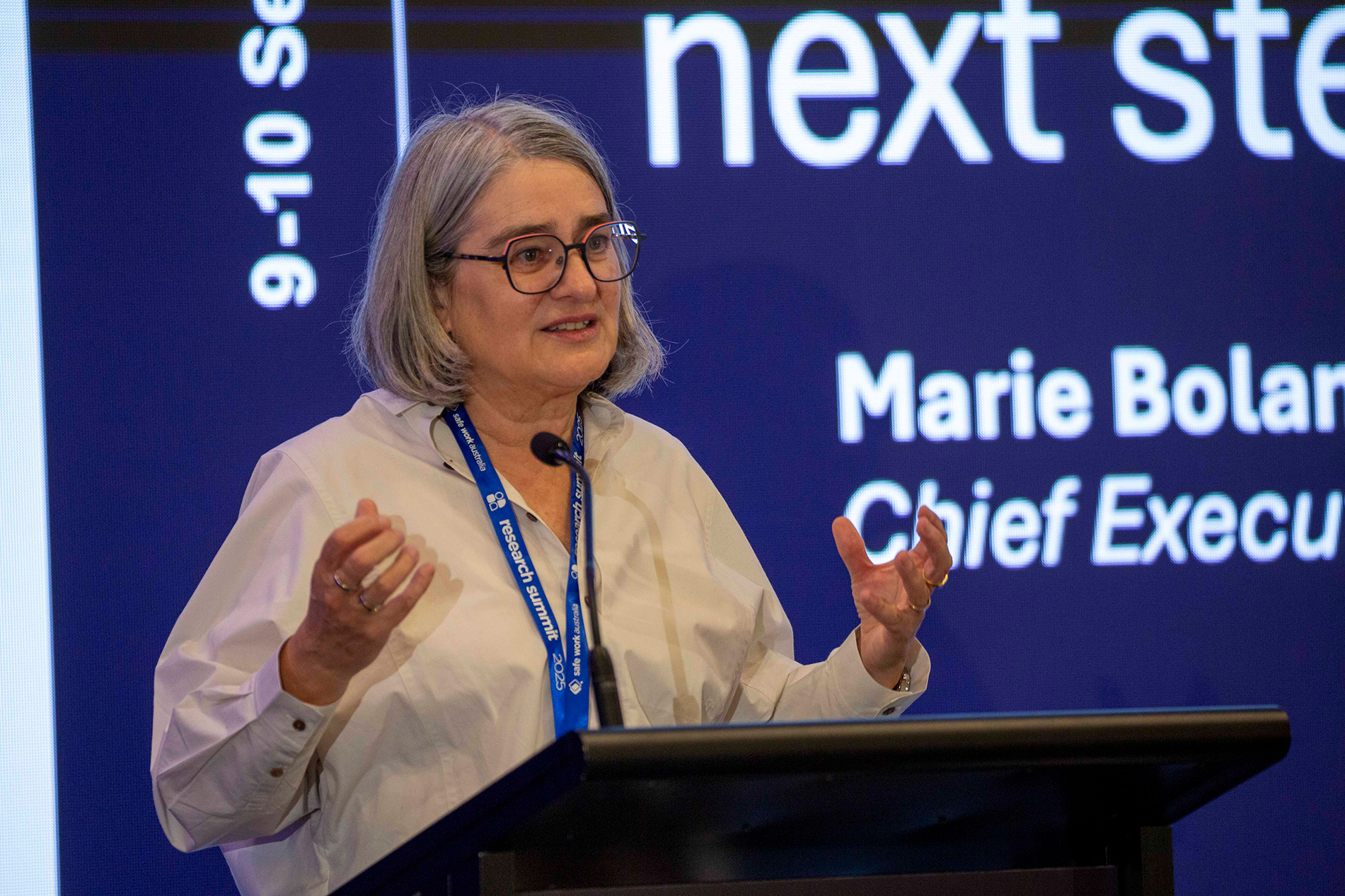
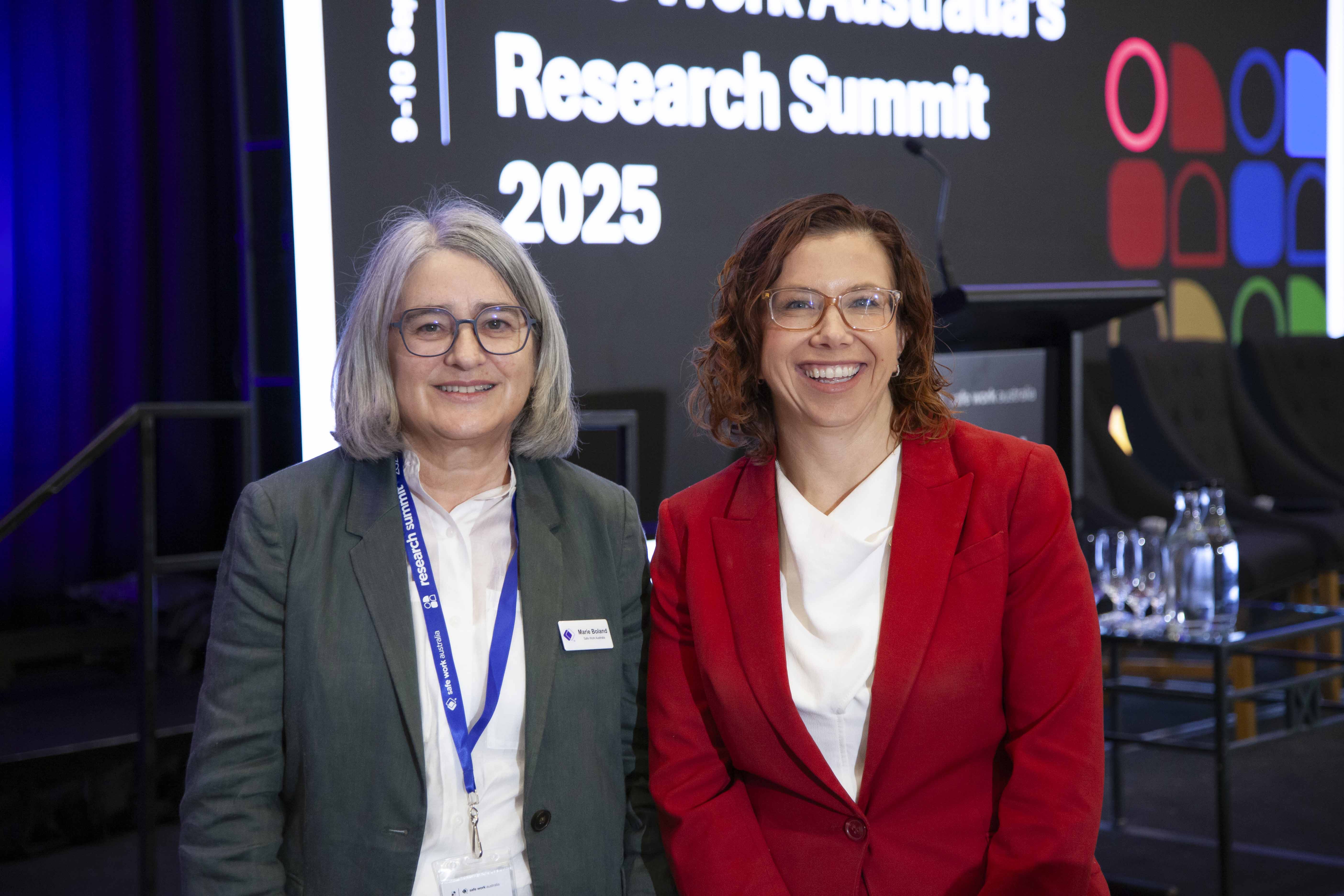
Marie Boland
Chief Executive Officer, Safe Work Australia
I am delighted to introduce the first edition of Safe Work Australia’s new publication, Evidence Matters. Evidence certainly does matter, particularly when we are talking about improving workplace safety.
Reliable data and robust research enable us to make informed decisions about the laws, policies and practical strategies that deliver on Safe Work Australia’s objective – healthier, safer and more productive workplaces.
This new annual publication will showcase the research and data underpinning our policy work and helping us deliver on our national strategies – the Australian Work Health and Safety Strategy 2023-2033 and National Return to Work Strategy 2020-2030.
We can all see Australia’s workplaces evolving as new industries emerge, working arrangements change and technologies advance. While many of these changes bring positive influences to our workplaces, new work health and safety (WHS) risks also emerge. Against this background, we need to continue to gather accurate and credible evidence to support the Agency’s work. We need to address new challenges while at the same time continuing to deal with those persistent WHS issues which haven’t gone away, with the ultimate objective of reducing workplace deaths, injury and disease.
Operating under a tripartite model, we collaborate with our Members who represent government, employers and workers, and consult widely with researchers, unions, industry associations, and WHS and workers’ compensation professionals. Their expertise and insights are essential and add to our evidence base.
Effective policy development also requires genuine consultation and listening to a diverse range of perspectives. Over the past 12 months we have consulted widely across the country on a range of important policy issues, and we thank everyone who has engaged with us for your generosity in sharing your views, ideas and concerns.
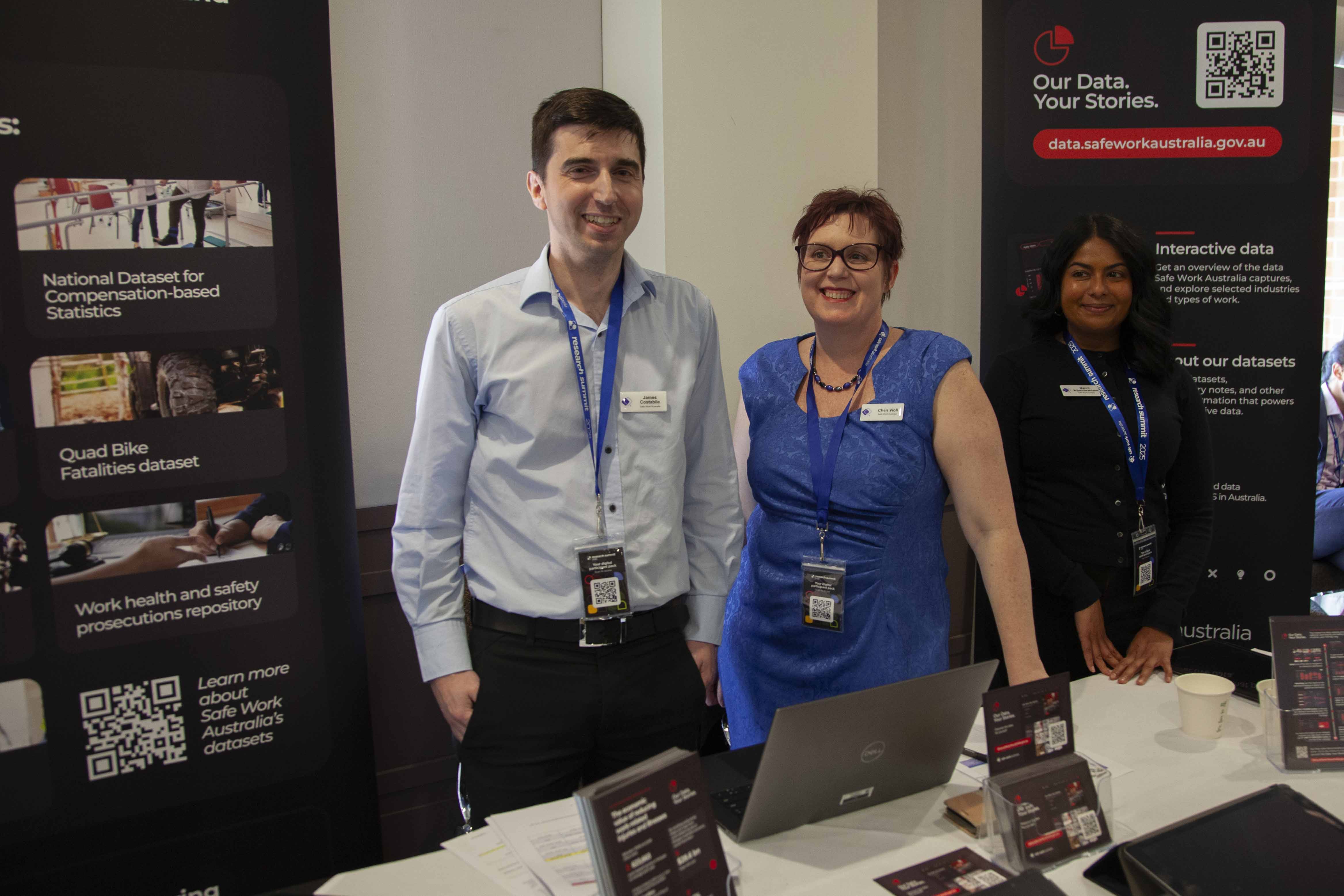
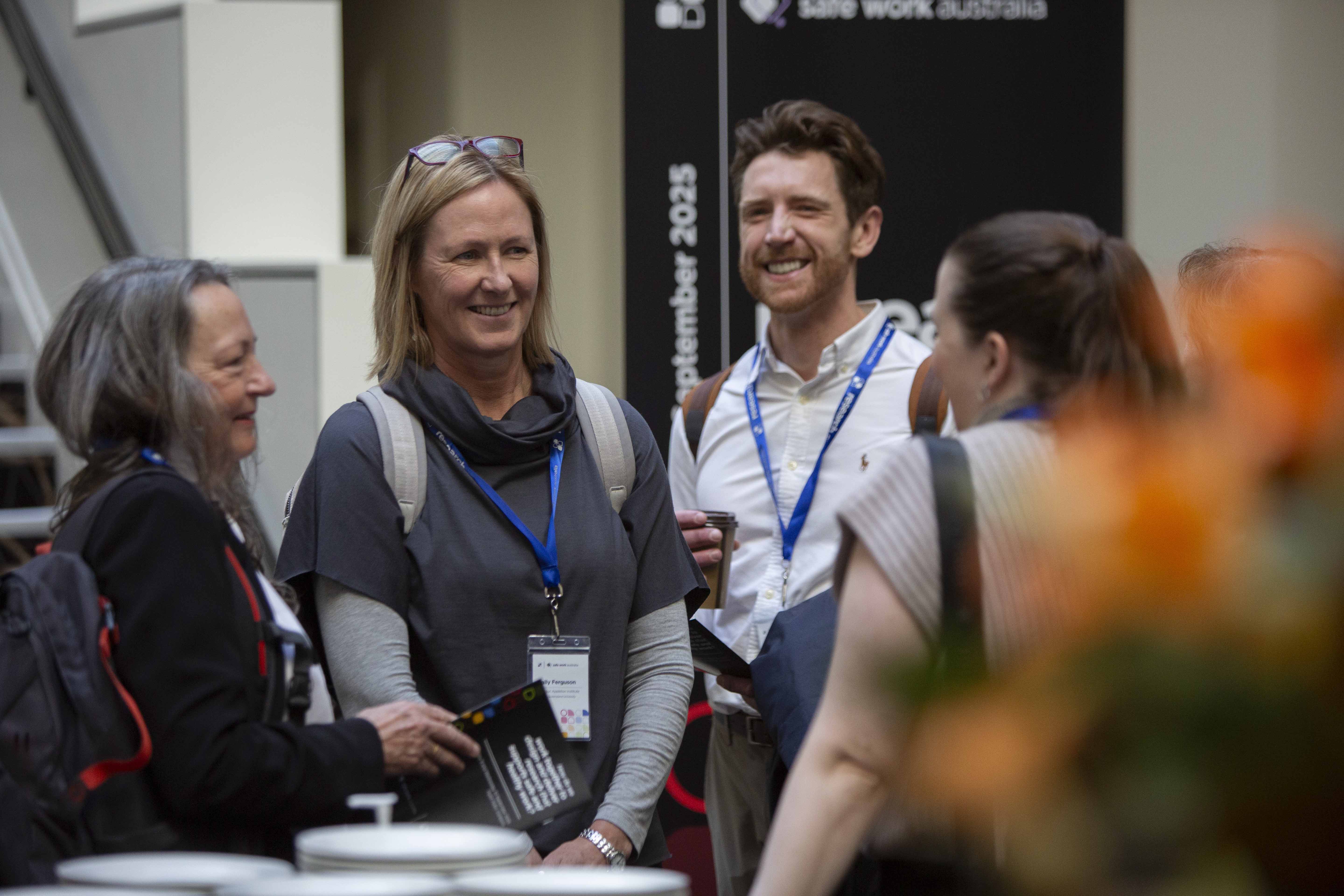
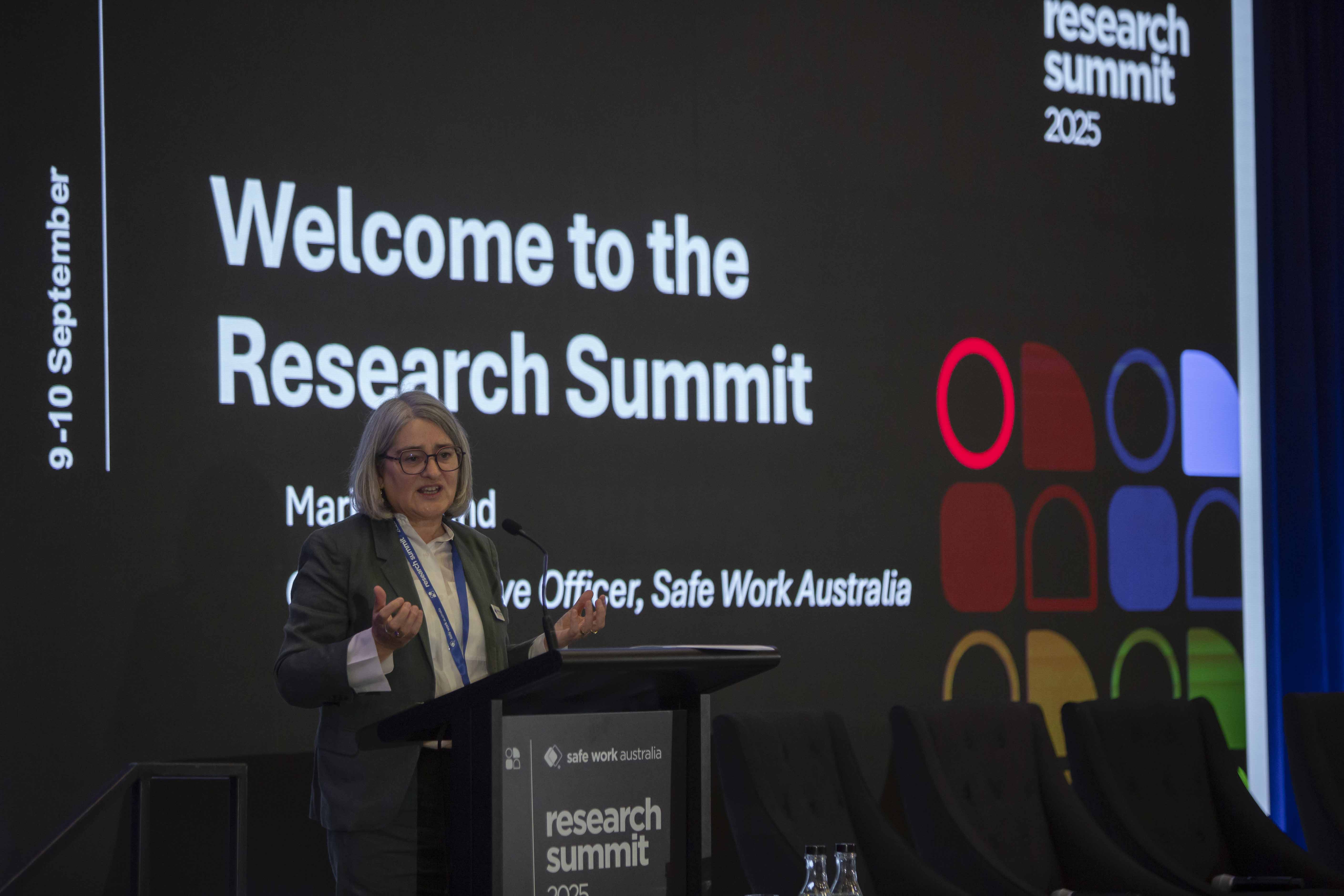
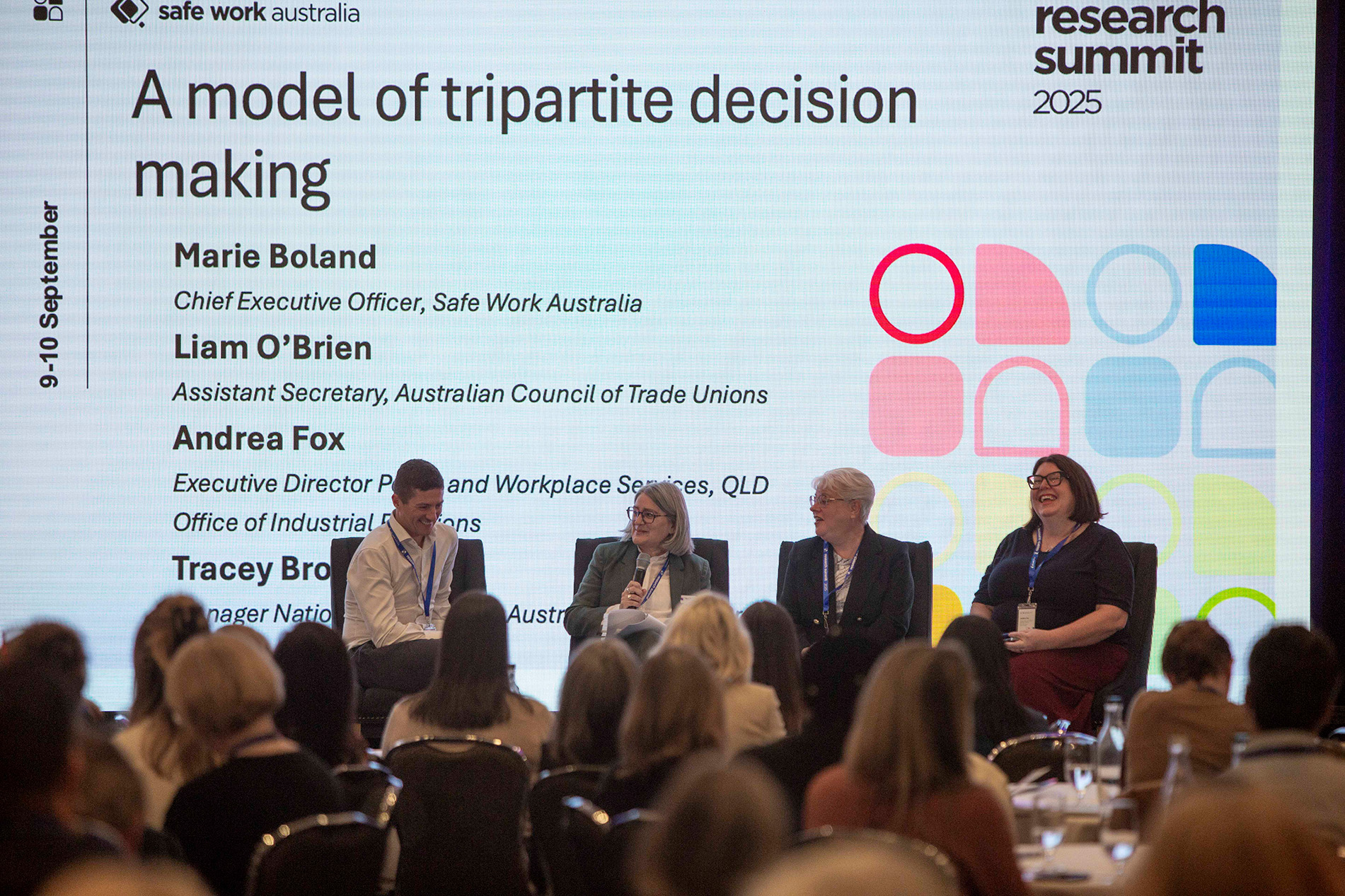
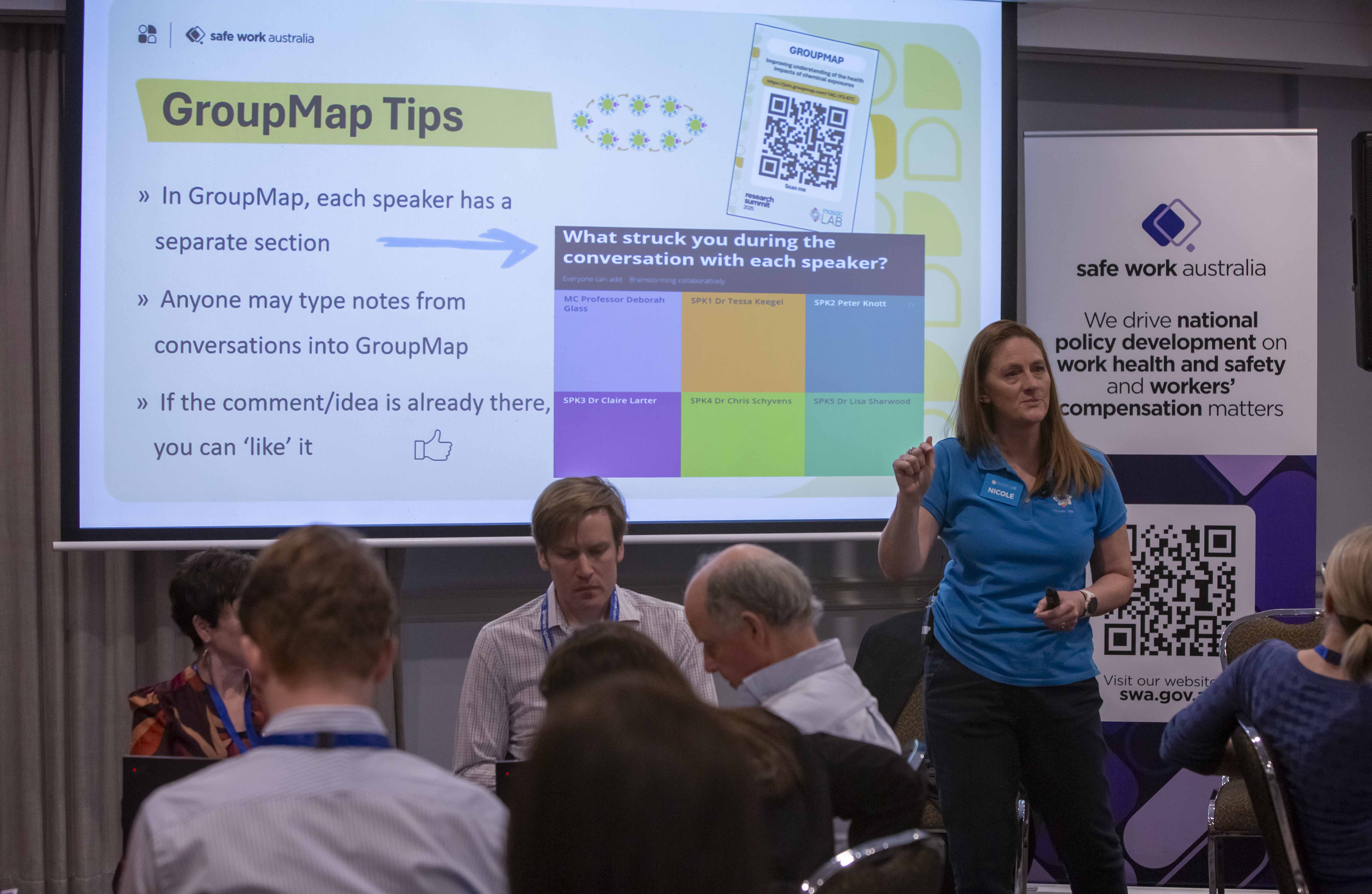
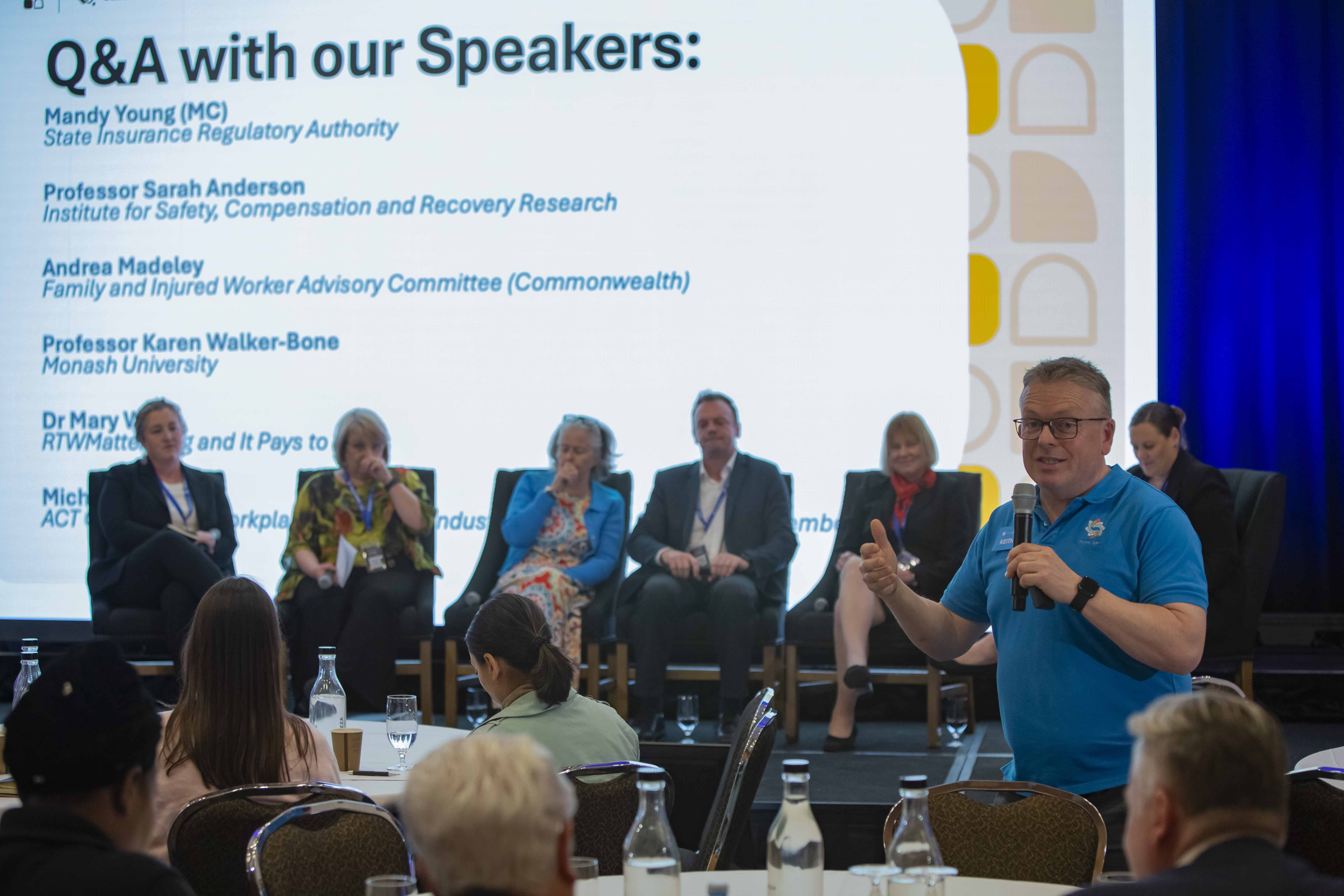
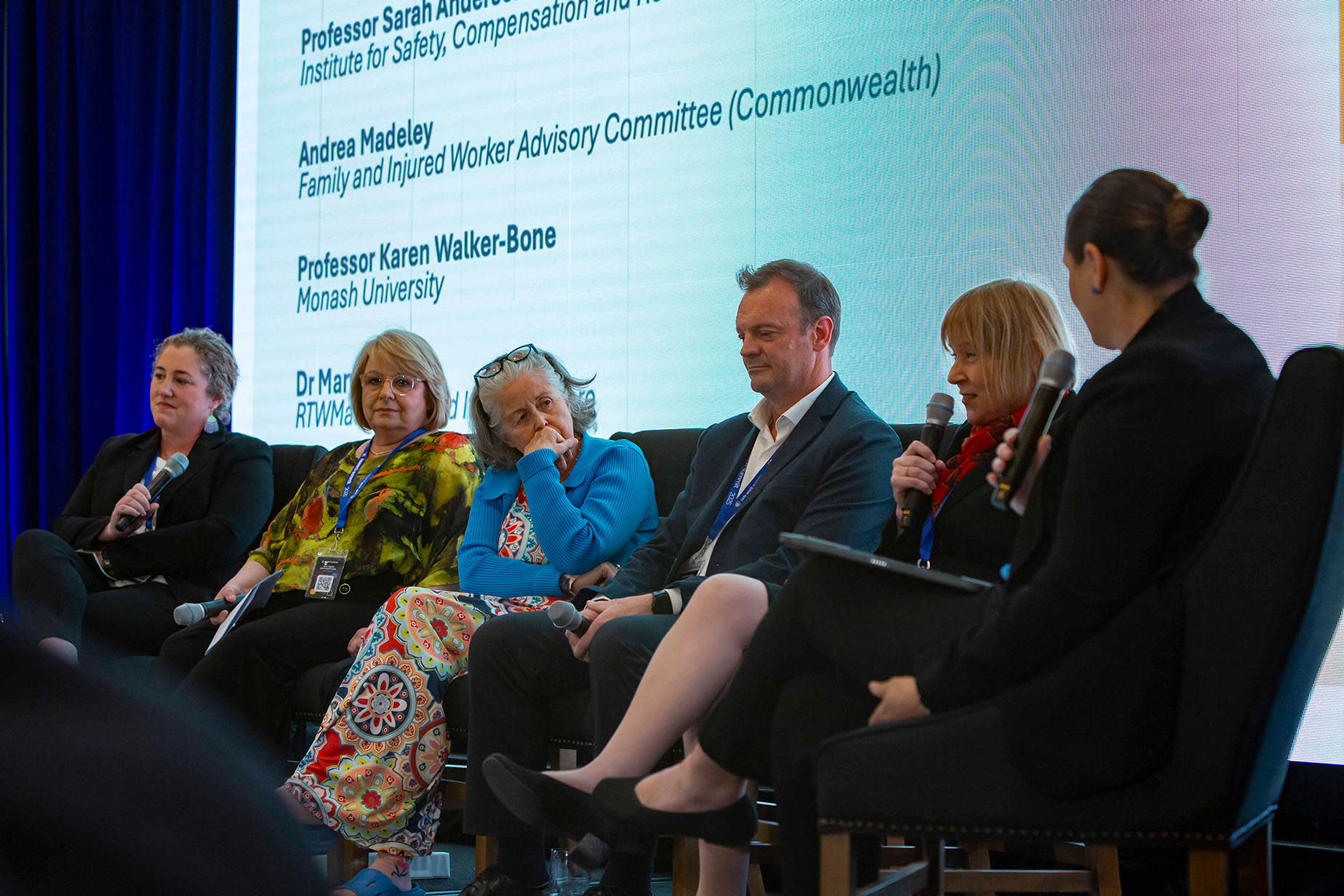
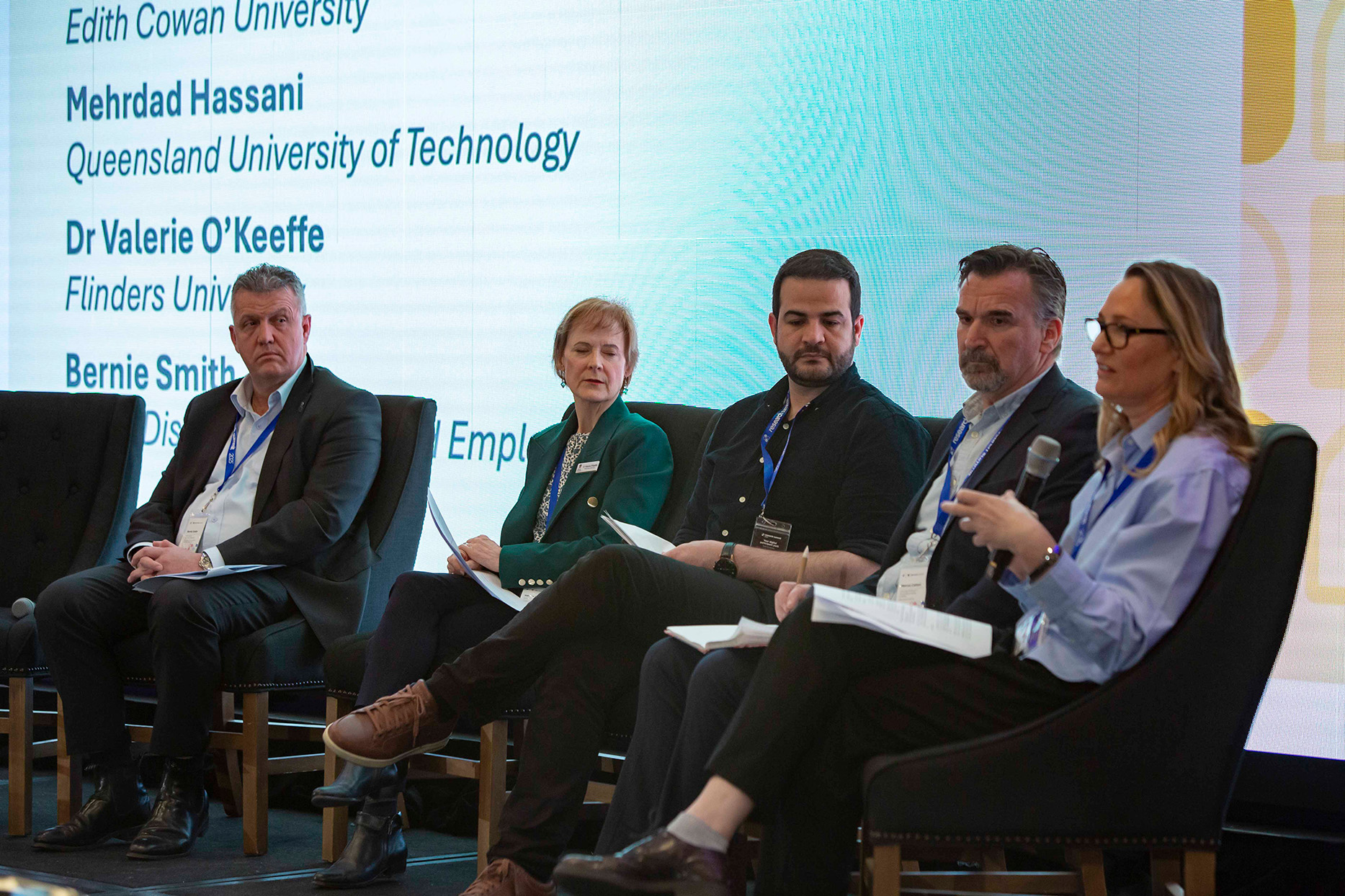
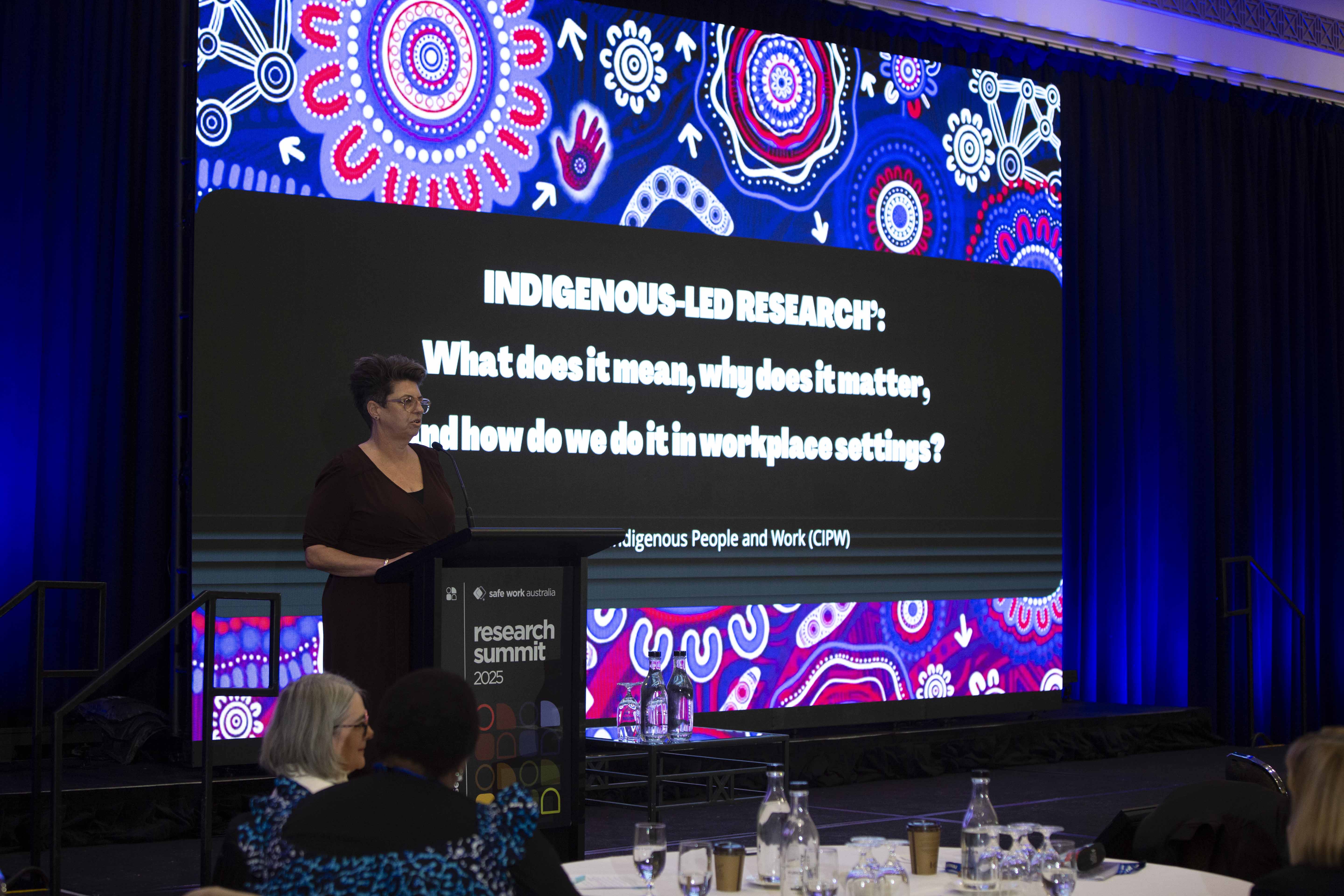
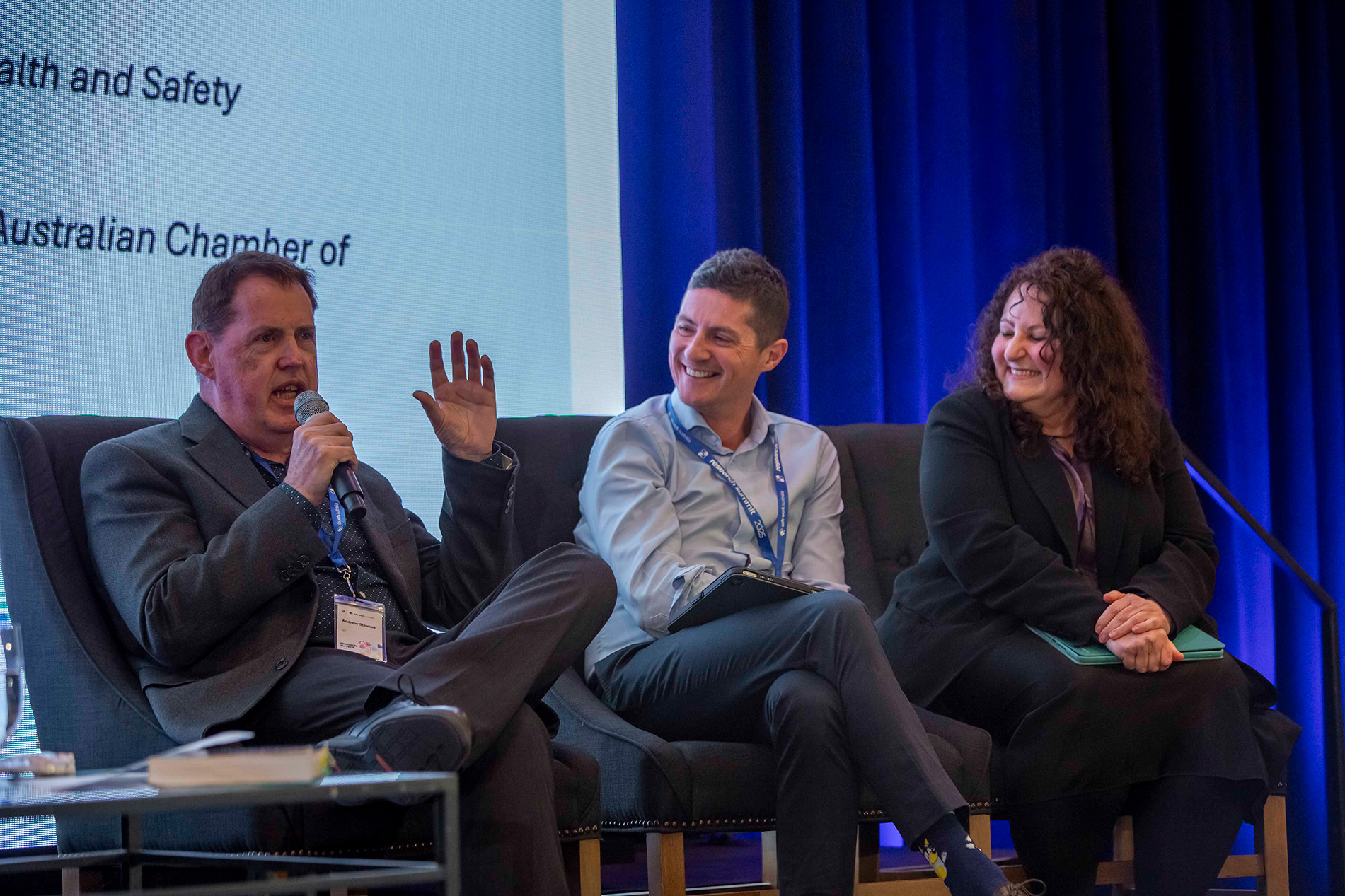
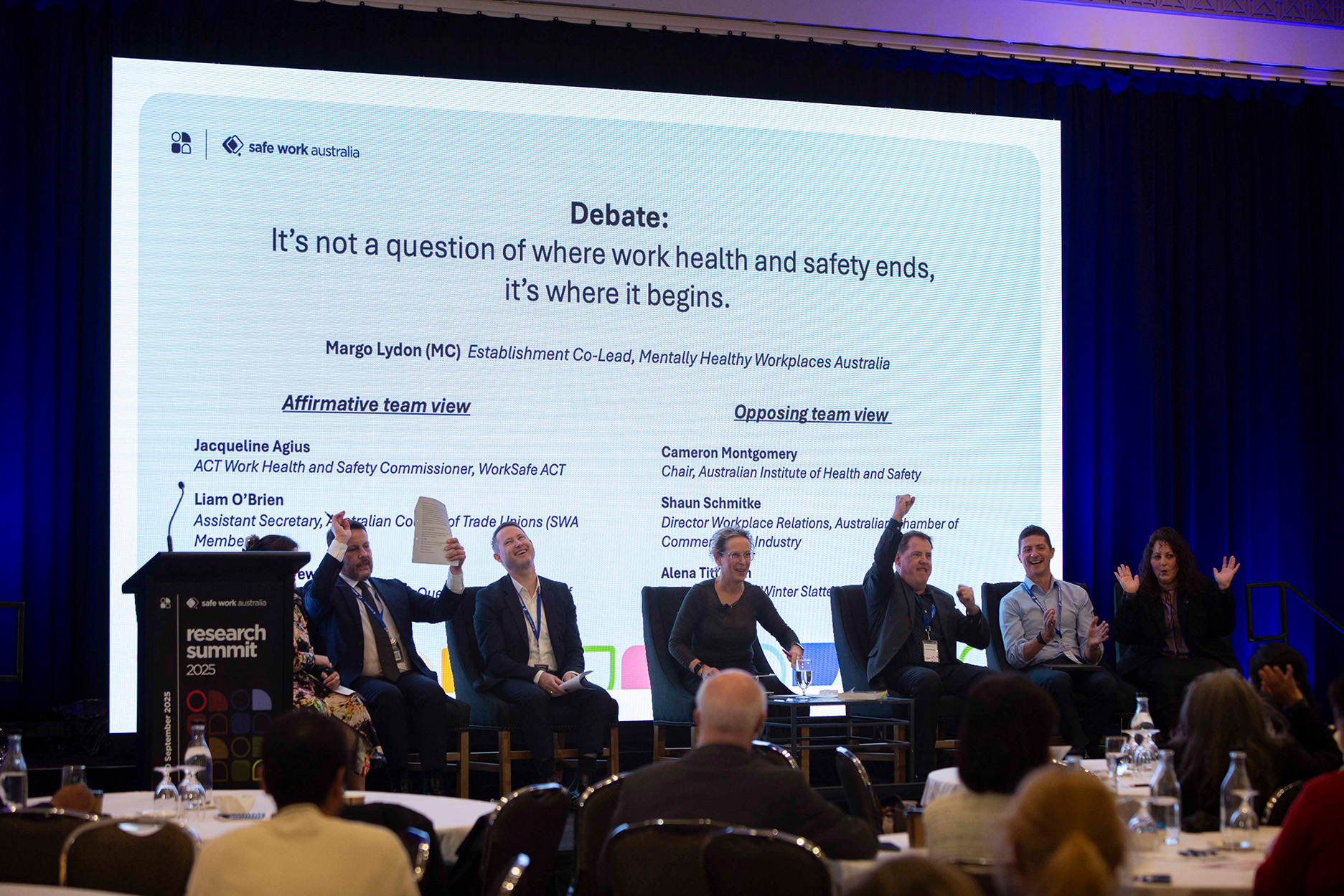
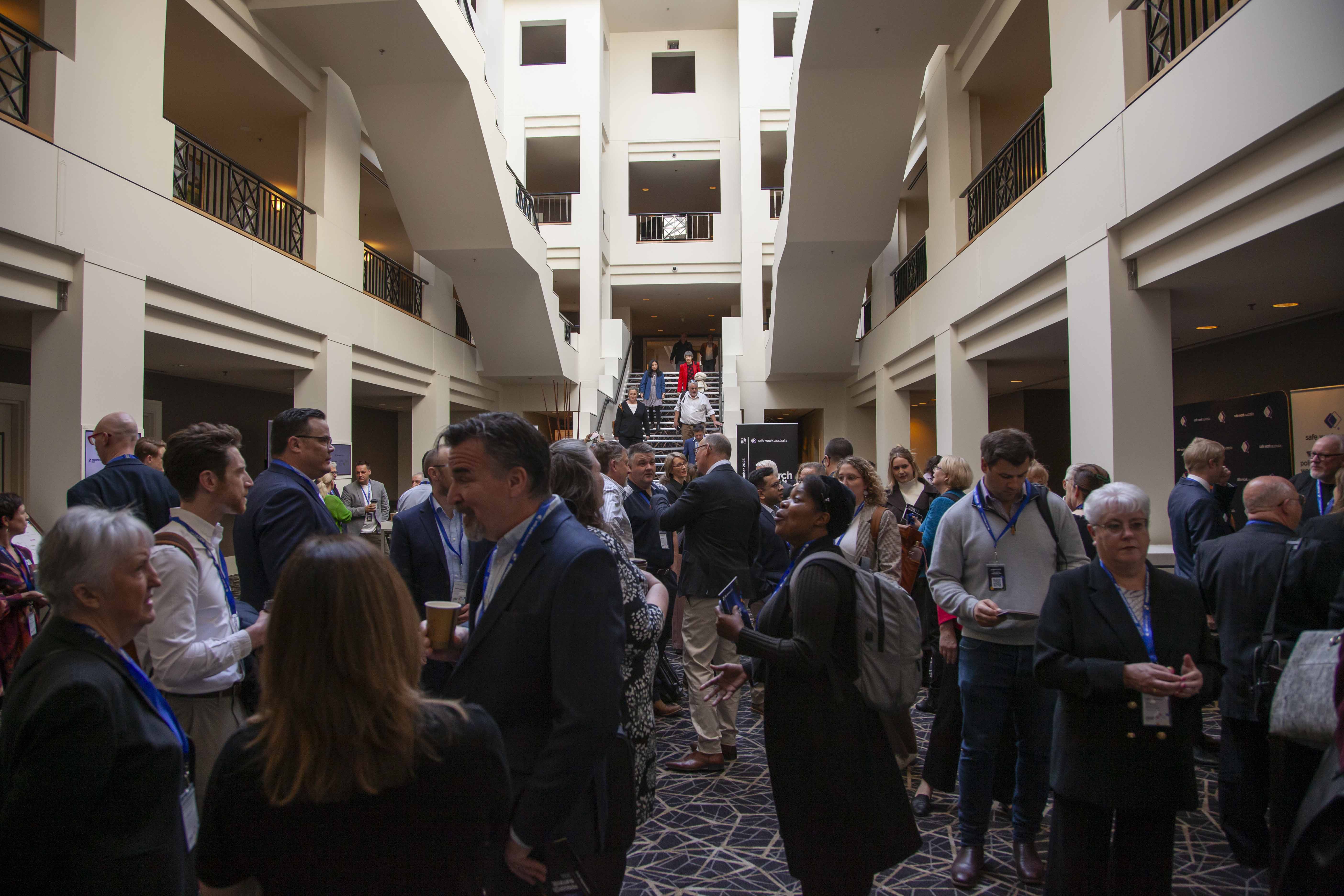
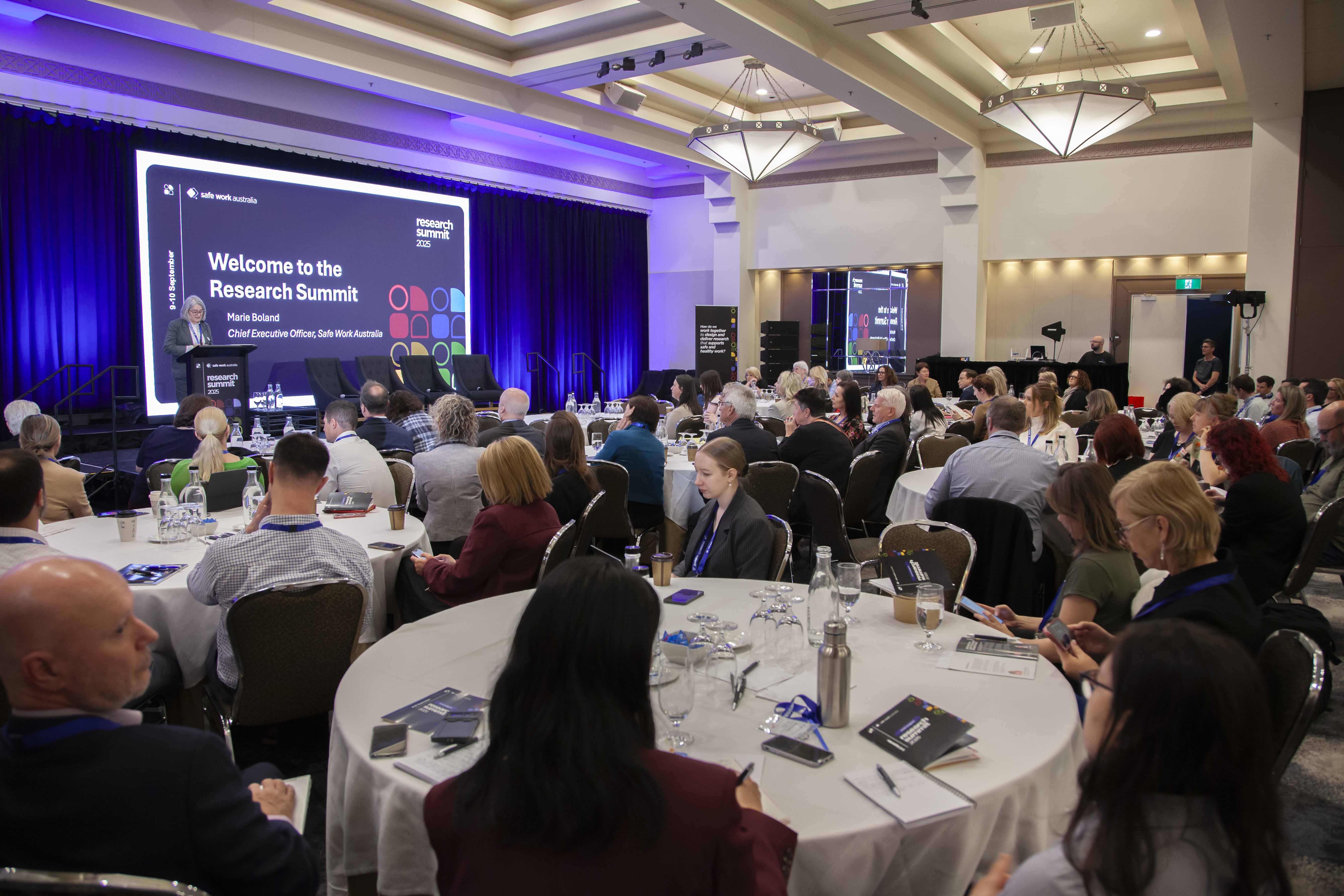
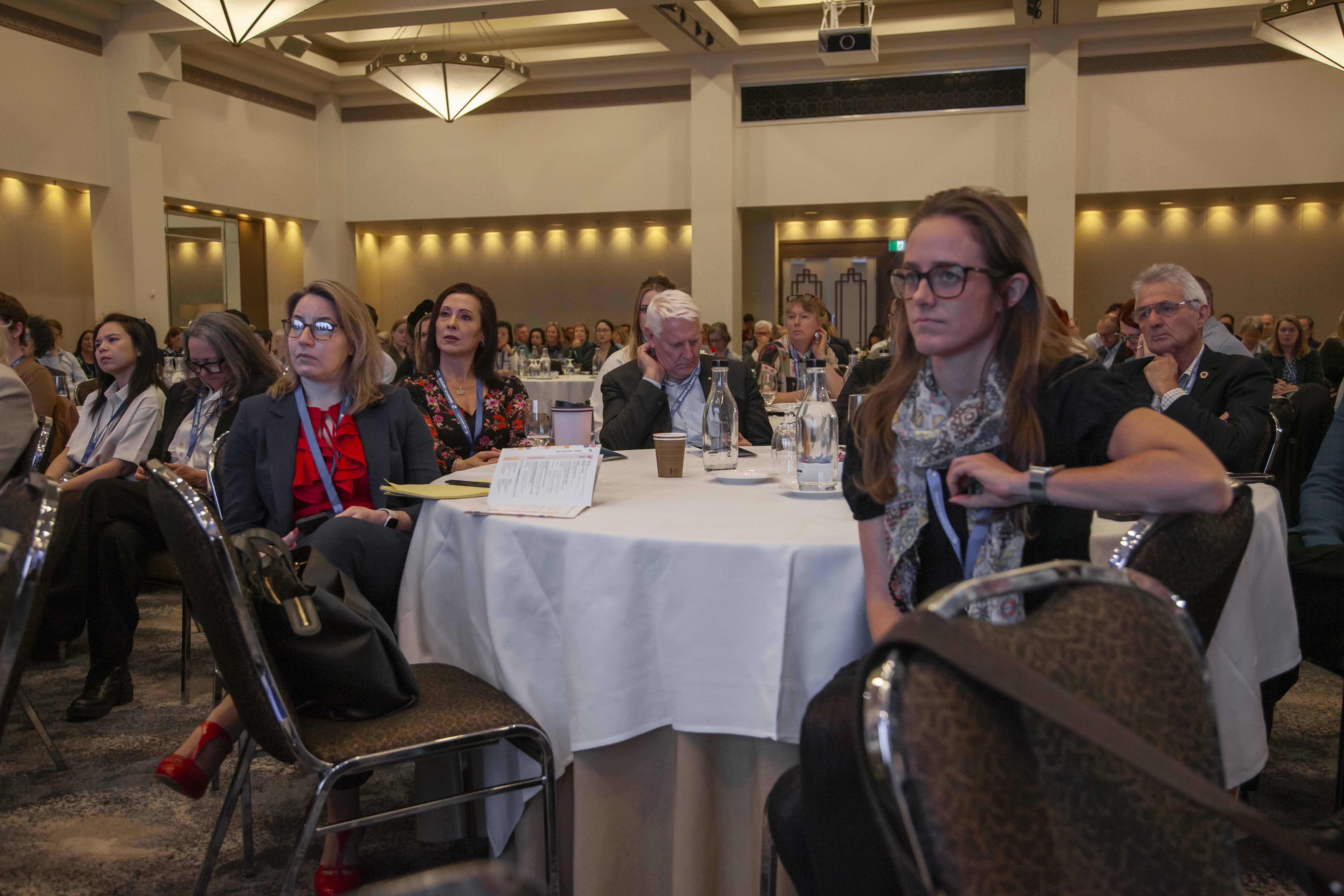
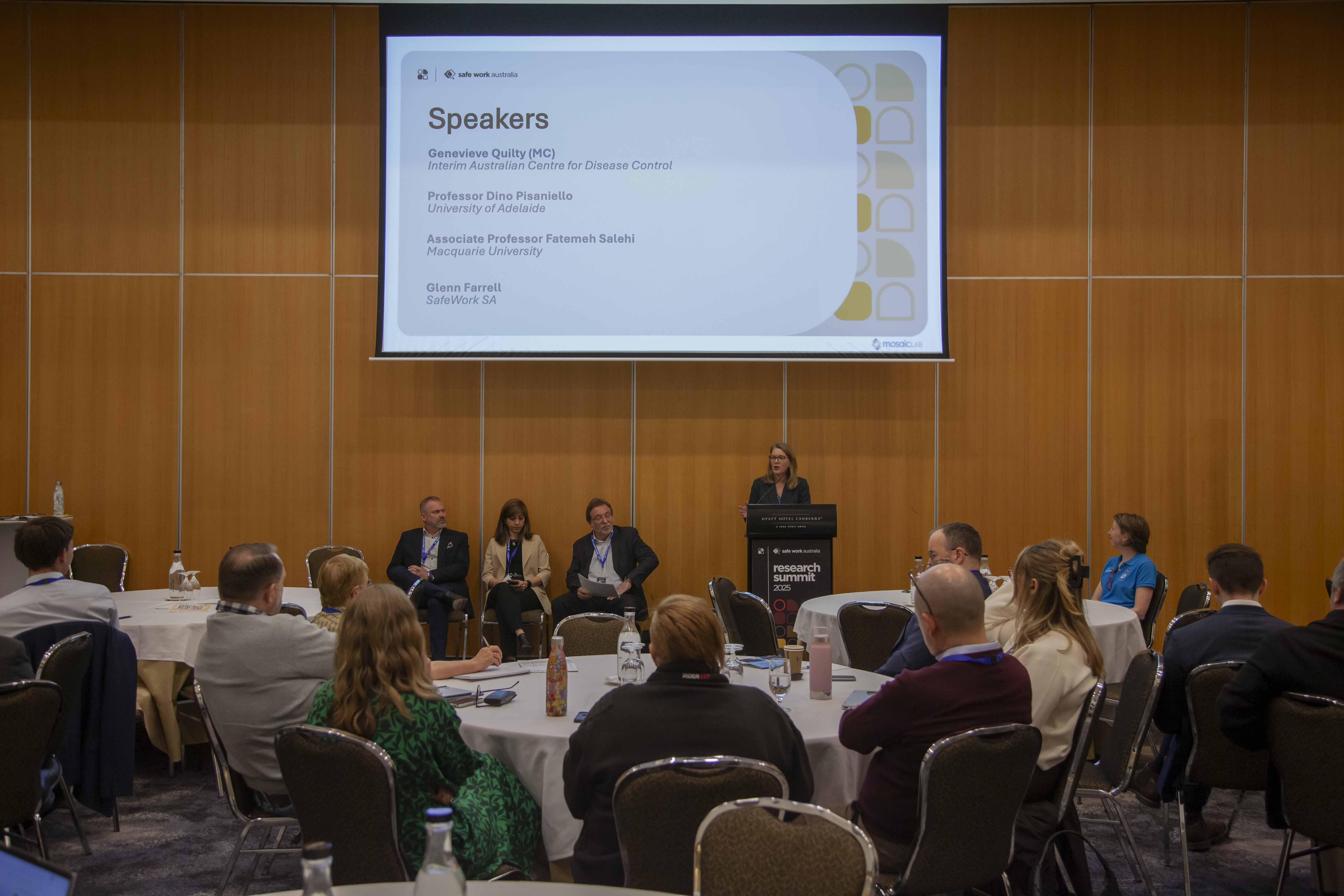
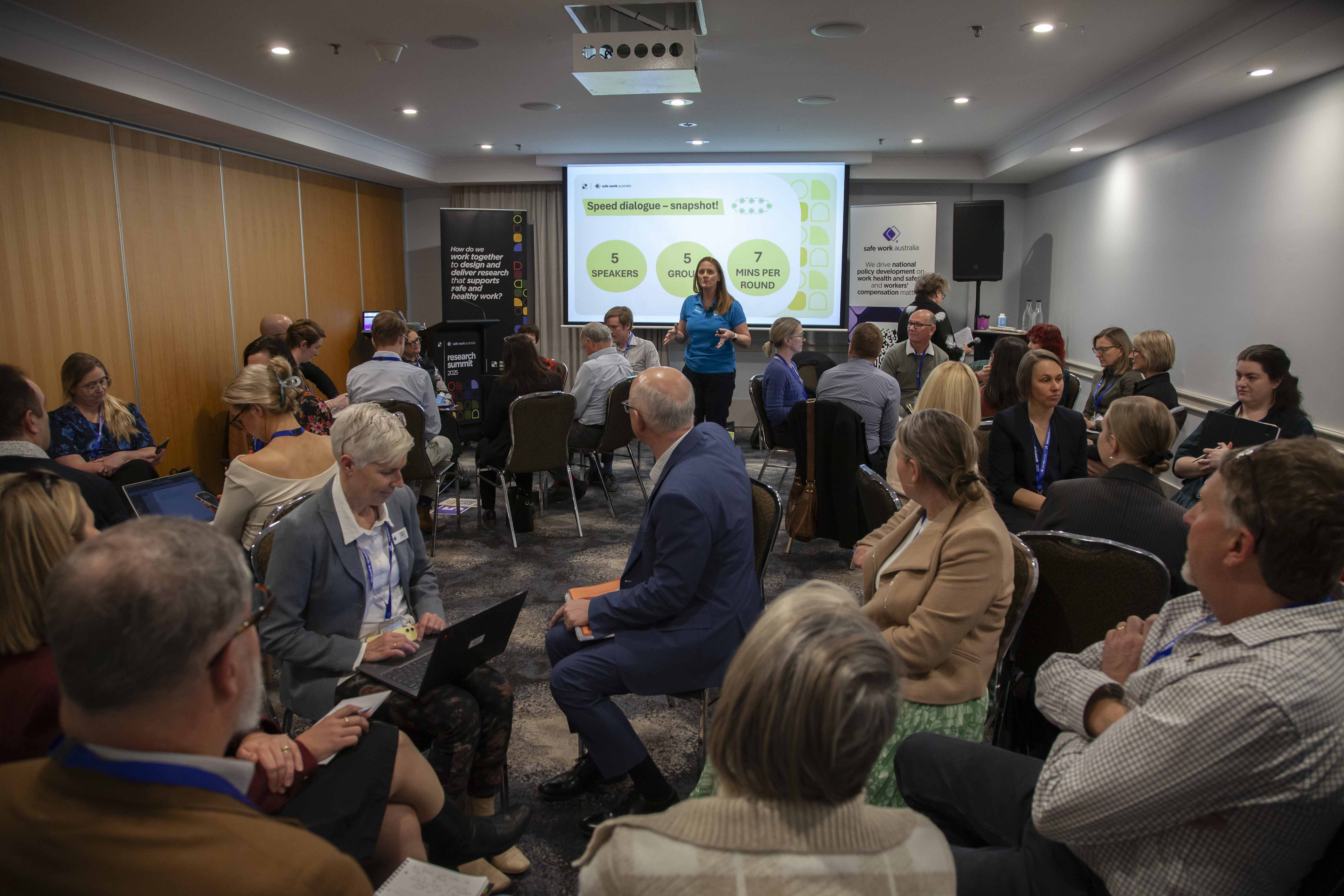
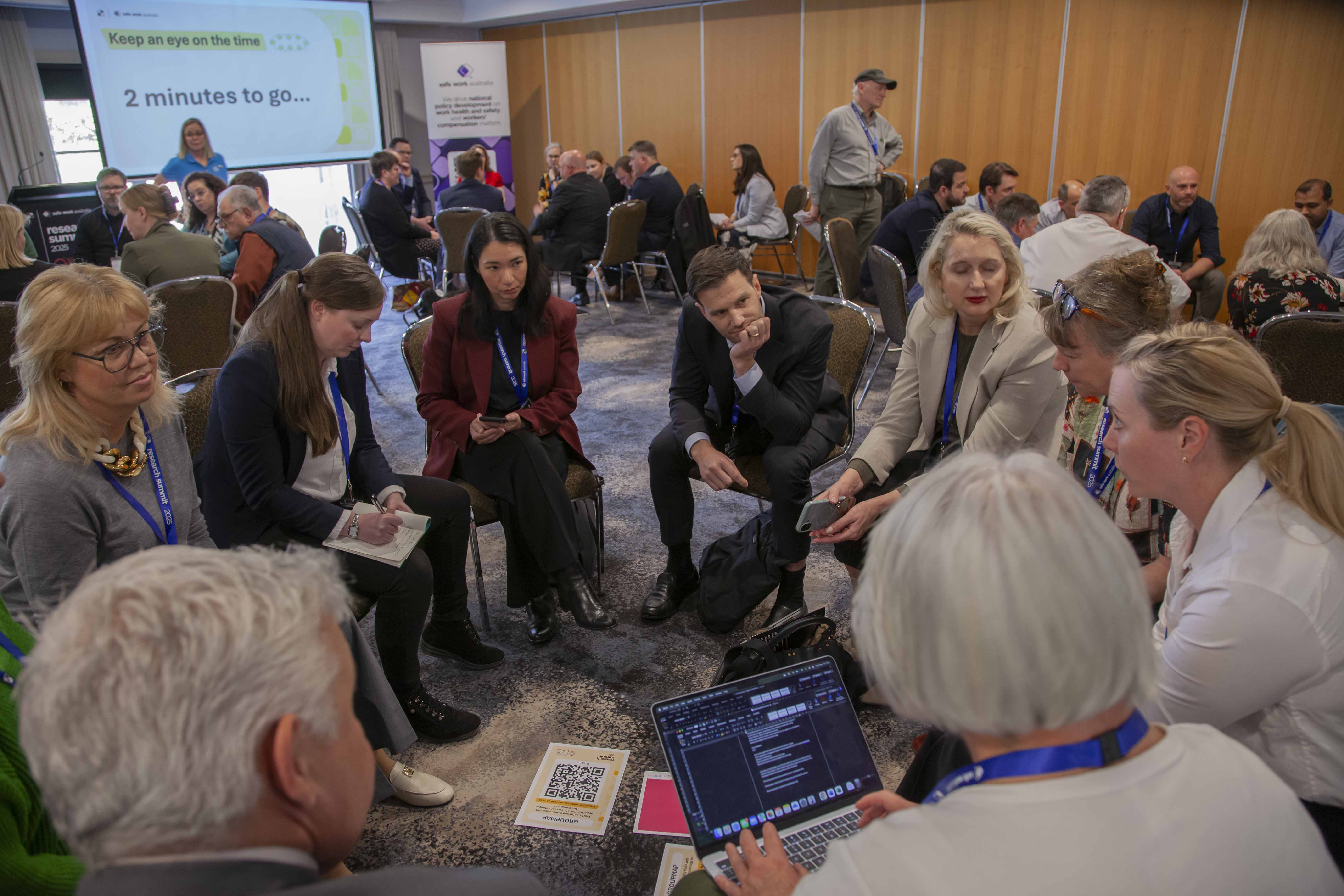
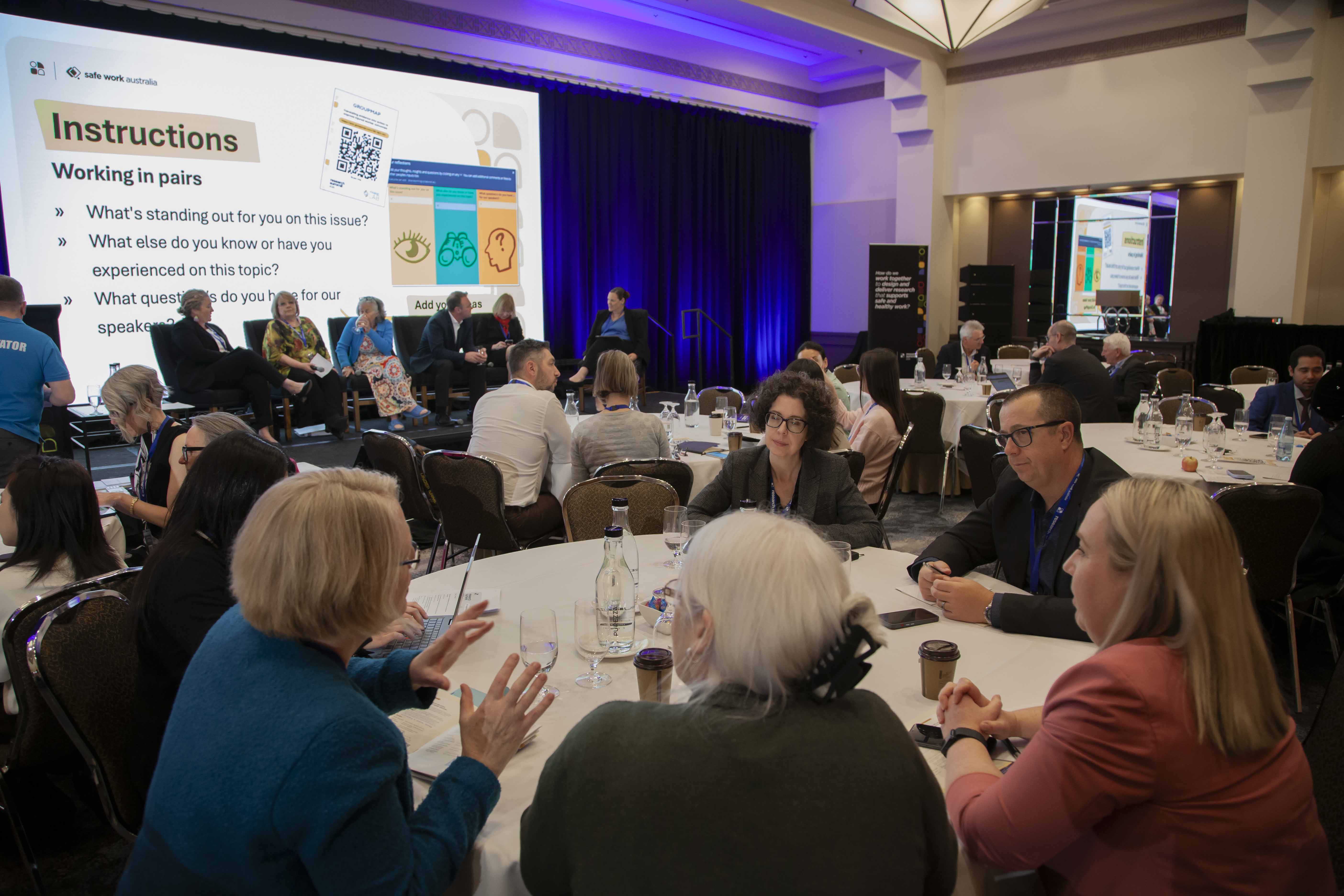
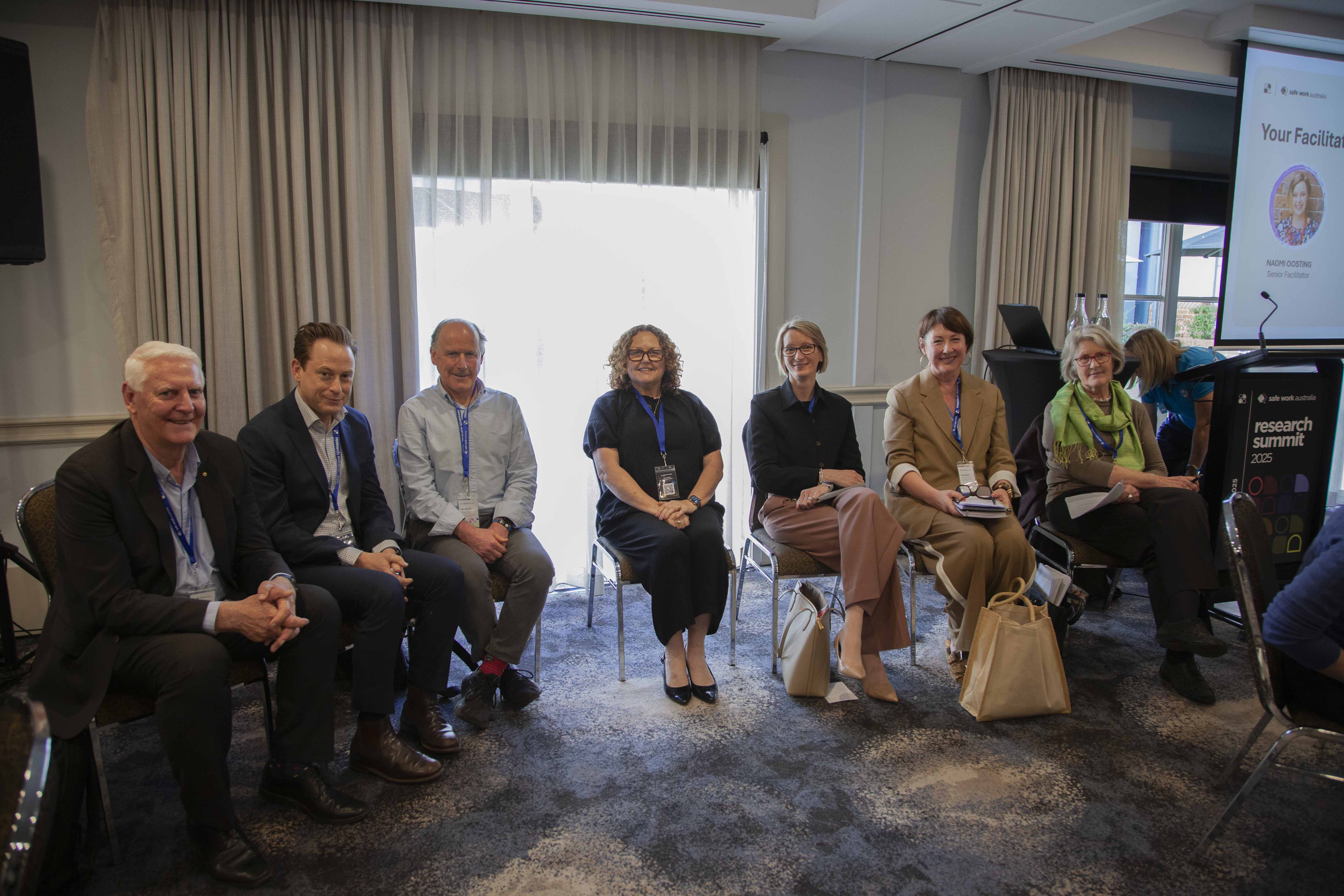
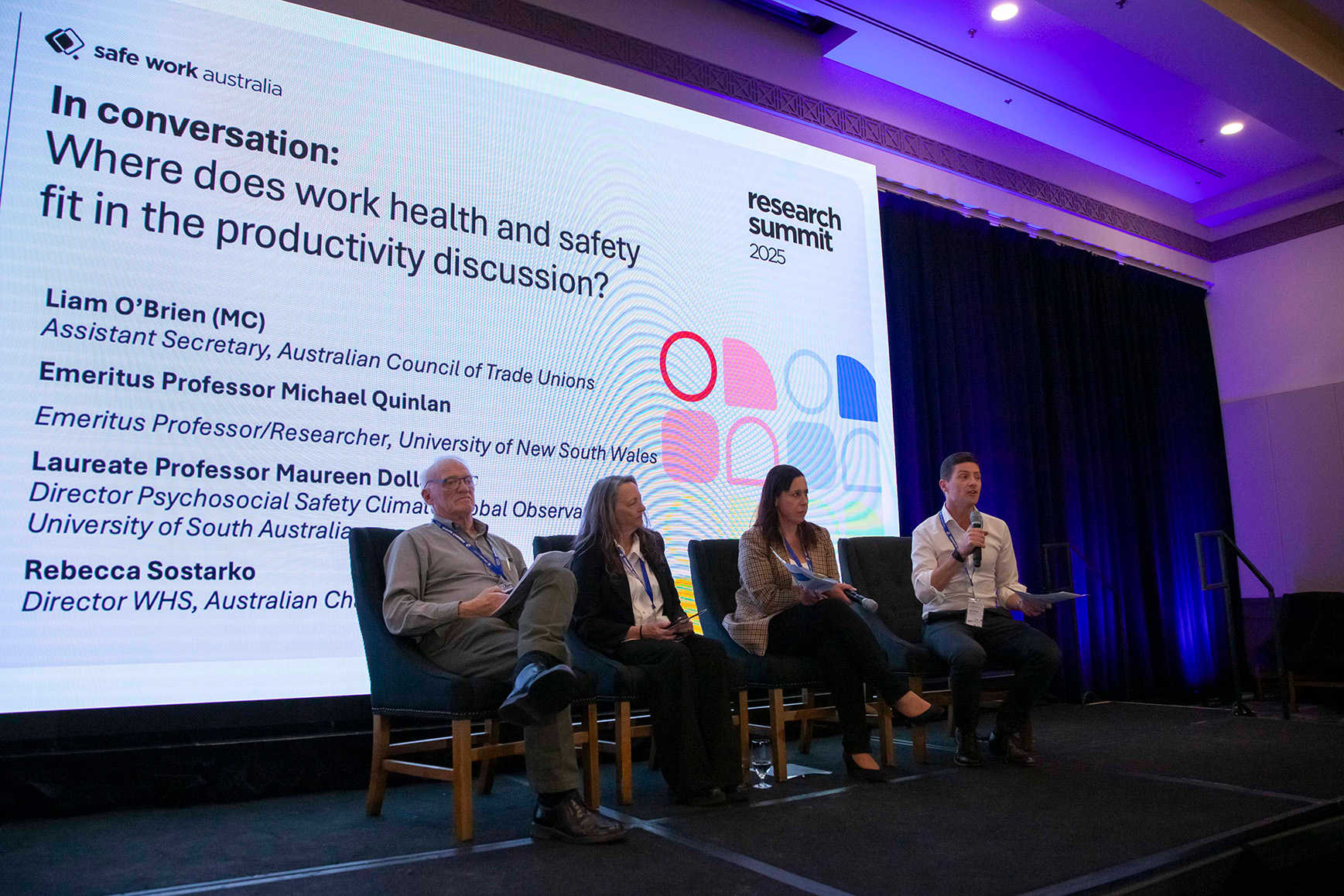
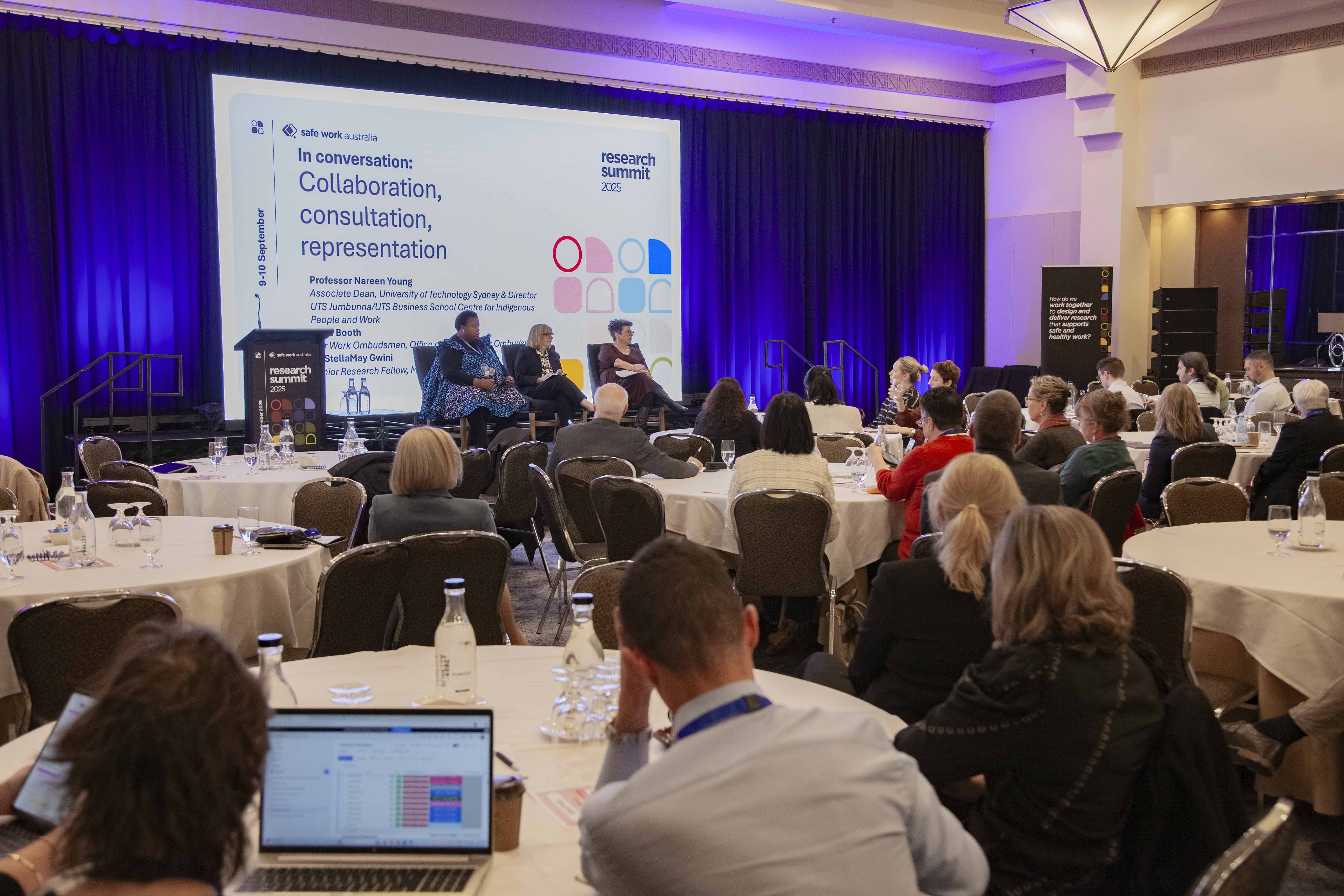
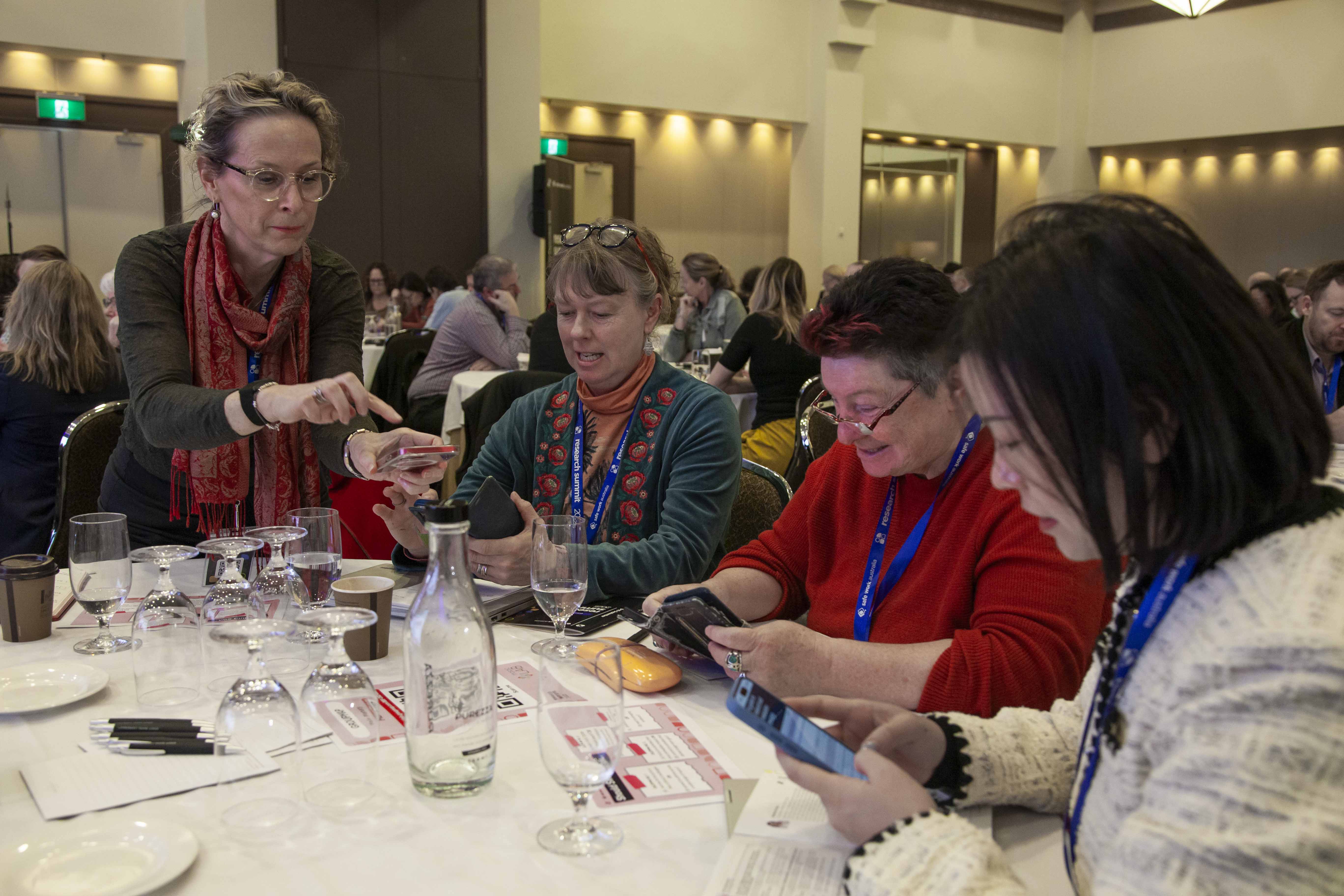
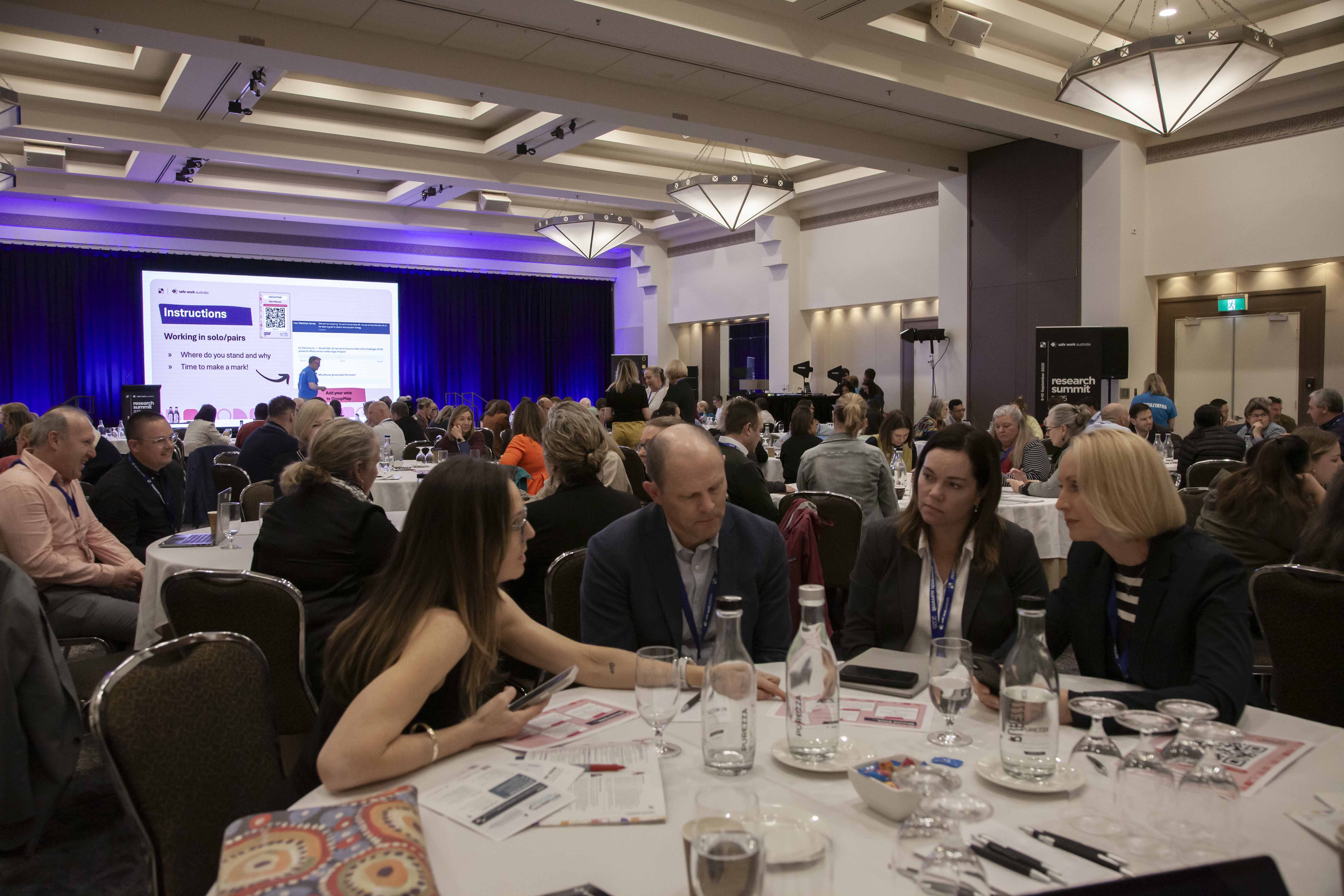
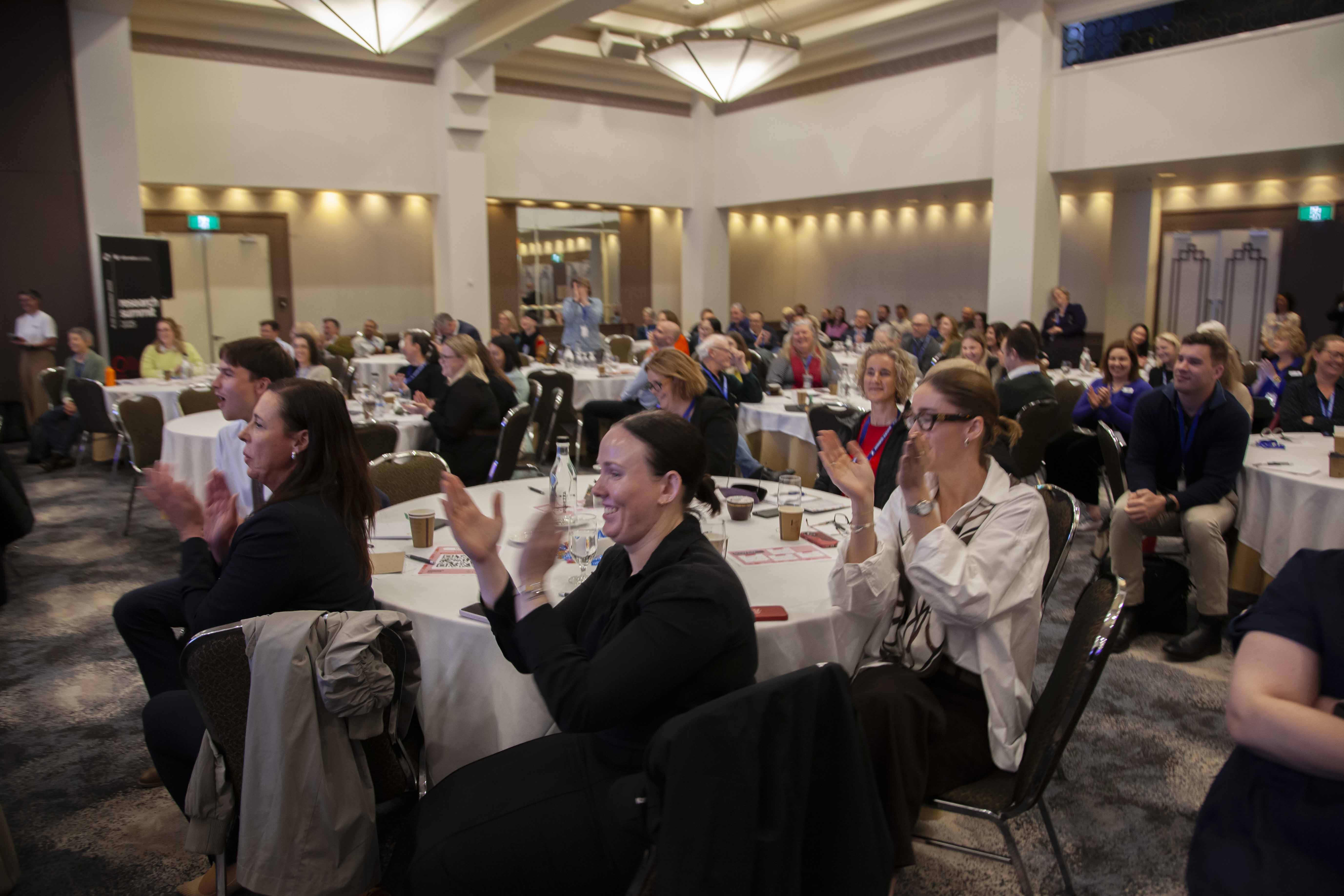
This year the Agency has reintroduced itself to the research community and reinvigorated its research function. With the release of our Research and Evaluation Strategy in June and the successful delivery of the Research Summit in September, we hope to have laid the foundation for further collaboration and connection across the research ecosystem.
Our renewed research agenda reflects the Agency’s strategic vision of national thought leadership in WHS and workers’ compensation research. In 2025, we focused on building strong foundations for our research work – strengthening our internal governance, fostering multidisciplinary partnerships, and improving how research is translated and shared.
Throughout 2025, we delivered critical insights into the causes of harm at work, with vehicle incidents remaining the leading cause of fatalities and body stressing continuing to drive serious injury claims. The sharp rise in psychological injury claims has also shaped our policy response and future priorities.
We partnered with Monash University and others to explore how the workers’ compensation claims process can affect workers’ mental health and recovery, and convened national workshops on how to address these secondary psychological injuries.
We also launched new WHS data profiles for key industries, revealing emerging risks and geographic disparities in return to work outcomes. To bridge critical evidence gaps we expanded our Beta Occupational Hazards Dataset and launched the pilot phase of the Australian Worker Exposure Survey. Both initiatives highlight at risk workers and how exposures intersect with psychosocial hazards, and will help inform future prevention strategies.
In 2026, we will build on this momentum. Insights from our Research Summit and stakeholder consultations will inform our research priorities, partnerships and future events.
We remain committed to evidence-informed policy, including data collection, research, national collaboration, consultation and engagement.
Thank you to everyone who has contributed to the delivery of our work in 2025.