The Research Connect Forum 2026: Safe work in a changing climate brought together leading researchers, government, unions and employers to explore how we can better protect workers’ health and safety in a changing climate. Participants examined climate-related work health and safety (WHS) risks, identified evidence needs and explored opportunities for research and collaboration to support practical responses.
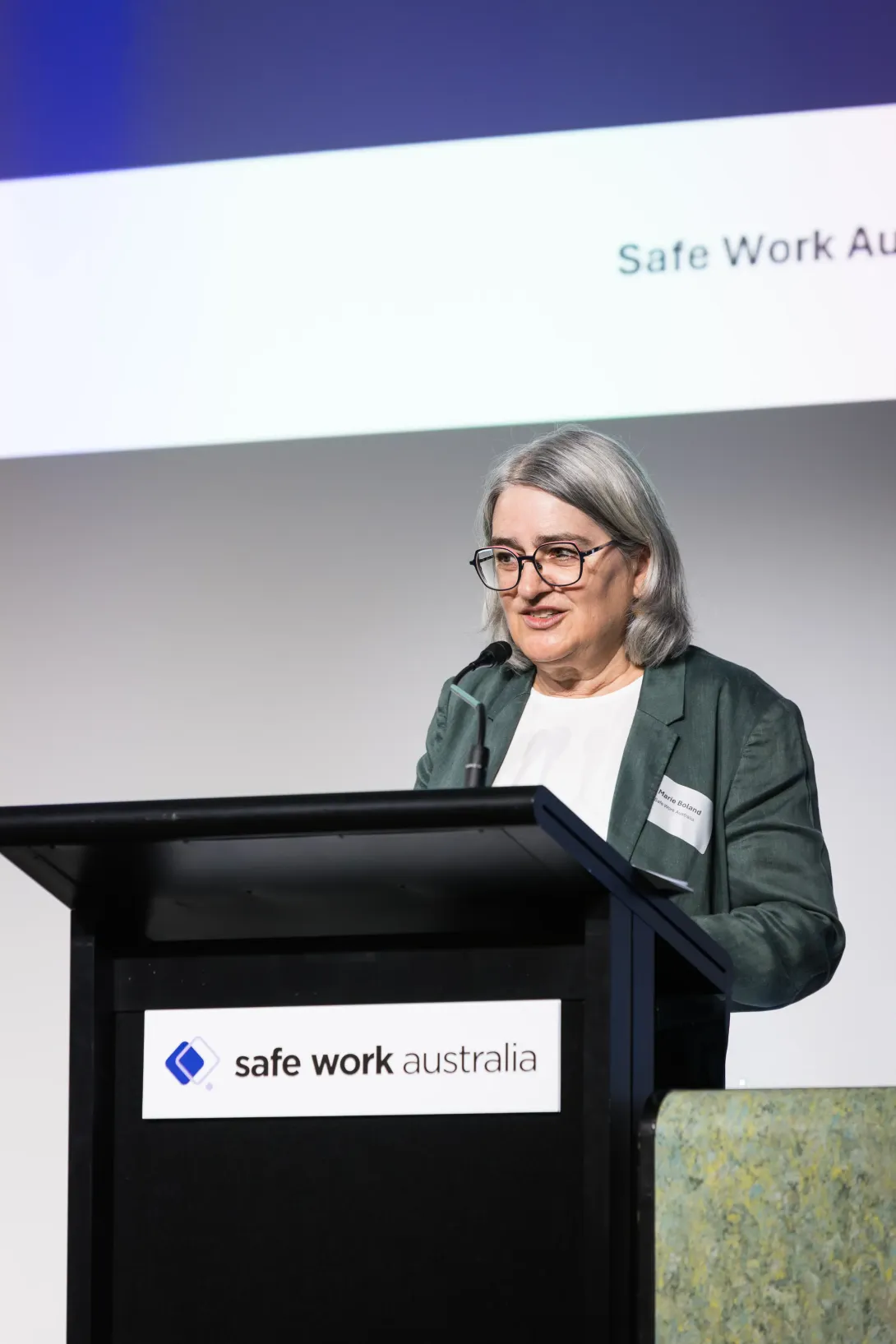
In her opening remarks, CEO Marie Boland announced the development of a national Safe Work Australia strategy on the WHS impacts of climate change. The strategy will guide a coordinated national approach, including strengthening the model WHS framework and supporting further research and collaboration across governments and the broader community.
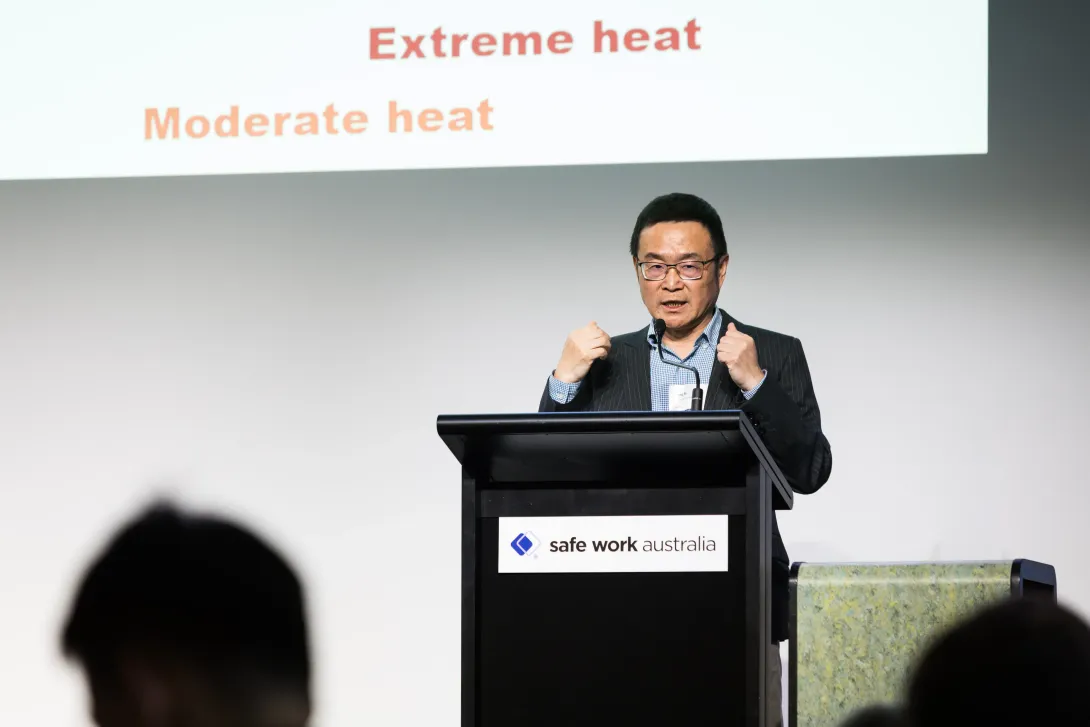
Professor Peng Bi, Adelaide University, delivered a keynote presentation exploring the evidence on climate-related WHS risks, particularly heat, and practical measures to reduce harm across workplaces and industries.
Janet Schorer, SafeWork NSW Commissioner and Safe Work Australia Member, was master of ceremonies for the morning program and moderated the panel discussion.
The panel discussion From climate risk to workplace action, brought together regulatory, employer, worker and academic perspectives, featuring:
- Tim Lawler, Chamber of Minerals and Energy of Western Australia
- Nate Tosh, Queensland Council of Unions
- Professor Deborah Glass, Monash University.
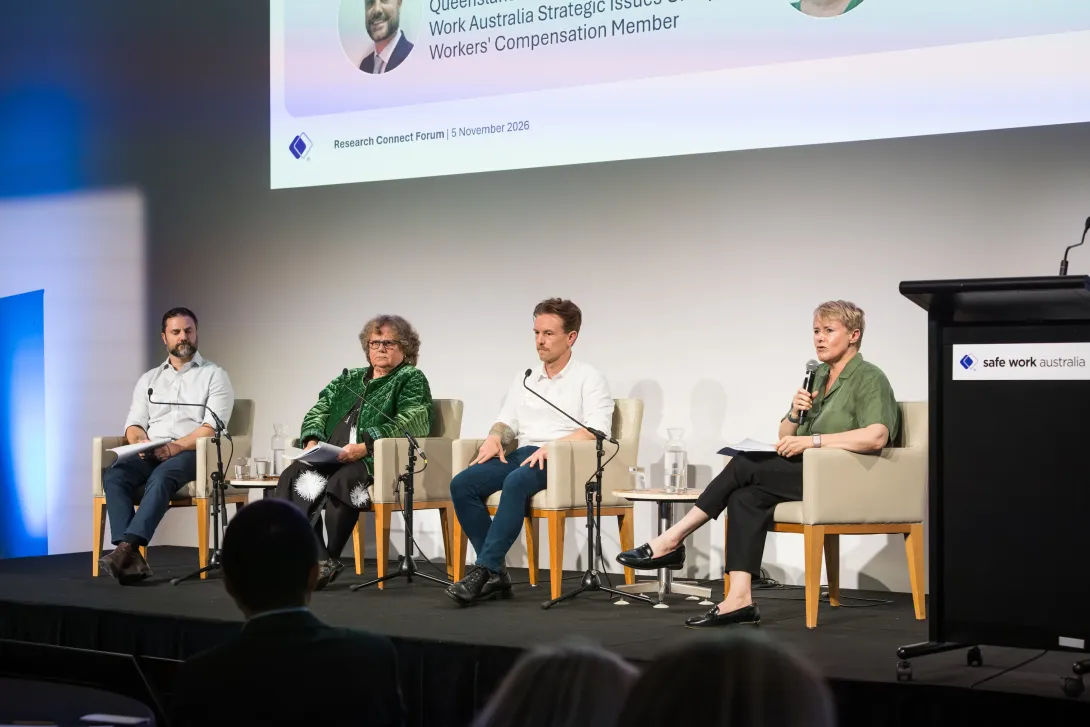
Through an evolving climate-related WHS scenario, the panel explored how PCBUs could prepare for and respond to foreseeable climate risks, including practical protections, responsibilities and barriers to action.
Research priorities and evidence gaps
In the afternoon, Associate Professor Aaron Davis, Adelaide University, led Starting the climate conversation, a facilitated workshop exploring issues and evidence needs across four climate-related WHS topics:
- extreme heat and heat stress
- workplace air pollution and indoor air quality
- vector-borne diseases
- psychosocial risks and climate hazards.
Using future scenarios, participants considered immediate and longer-term WHS risks, possible workplace and policy responses, and the evidence needed to support action. They identified challenges and evidence needs across the four topics, including barriers to implementation and the needs of workers and industries facing greater risks.
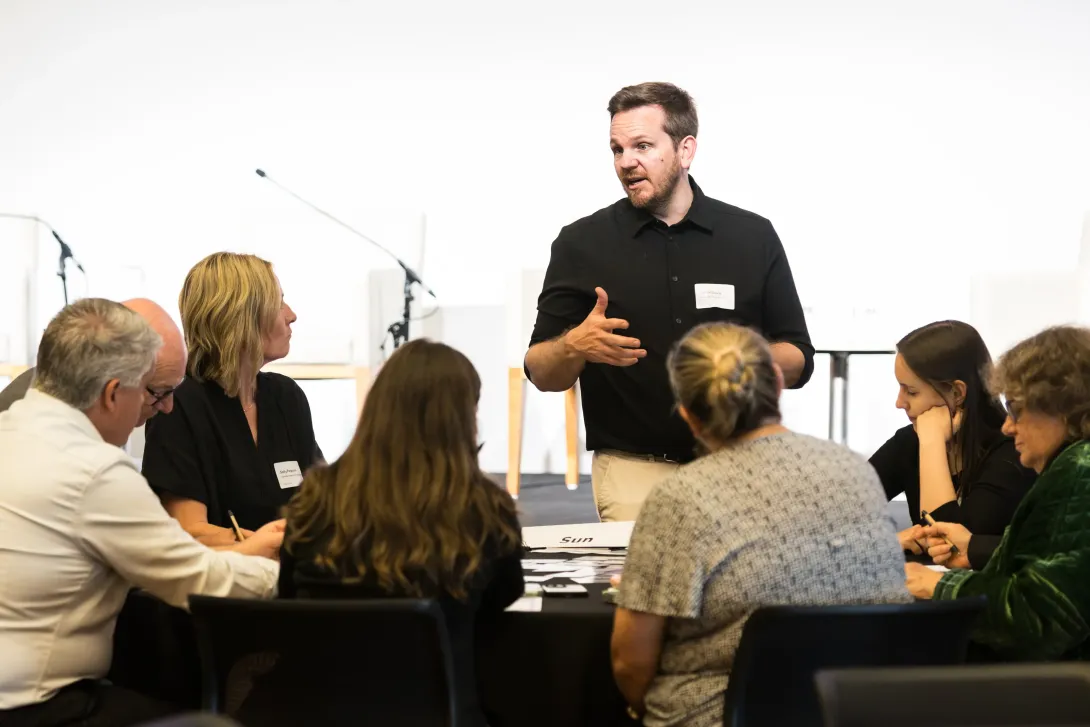
Workshop contributions will be analysed to help inform the national strategy on the WHS impacts of climate change and future research priorities.
The forum supports the Research and Evaluation Strategy by connecting research, policy and practice and exploring evidence needs to inform future research priorities.